

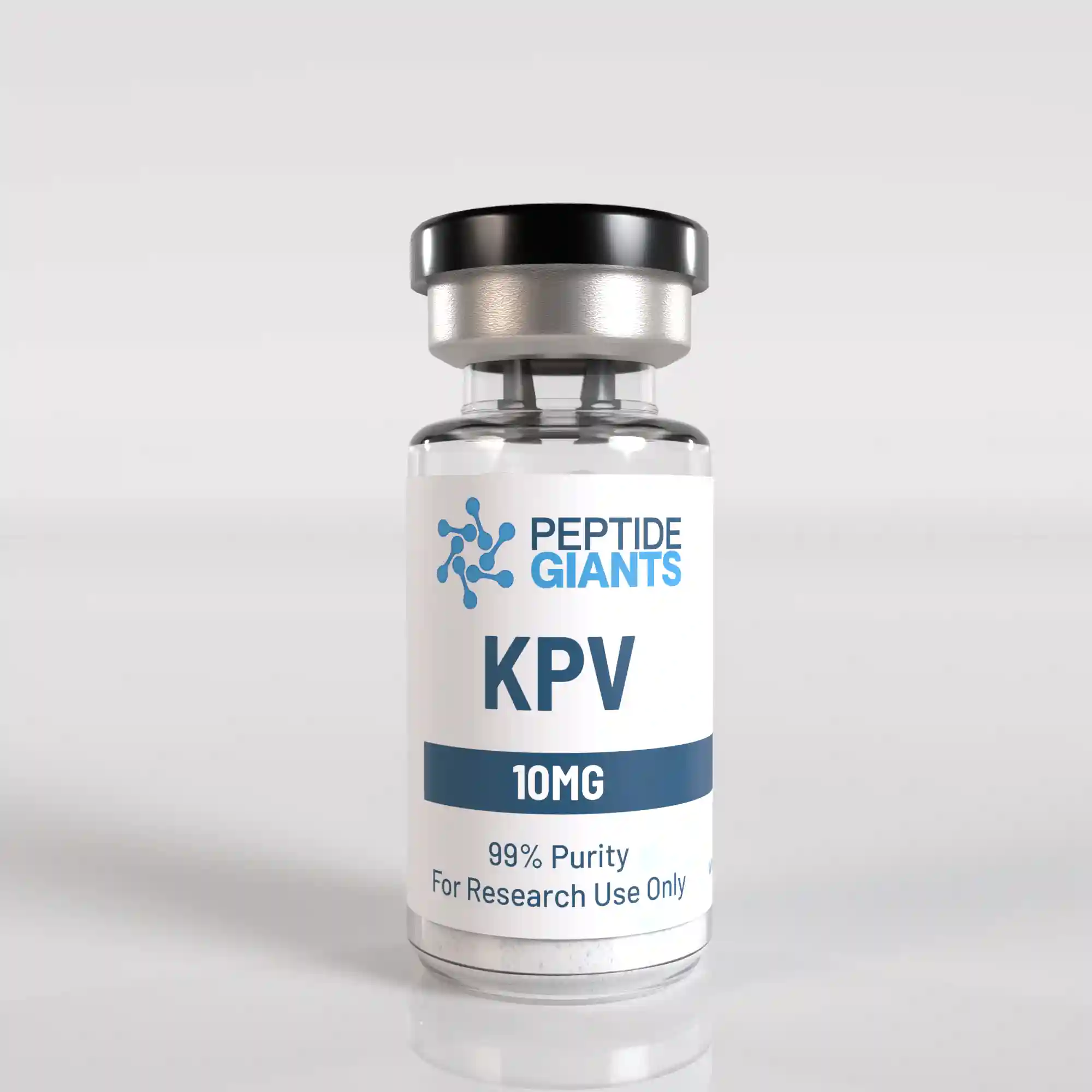
KPV 10mg Research Peptide
KPV (Lys-Pro-Val) is a tripeptide matching the C-terminal end of alpha-MSH, supplied as a lyophilized powder for laboratory research. The 10mg lot PG-5194 tested at more than 99.80% purity by HPLC. Lab report linked below.
For laboratory research use only. Not for human or veterinary use.
Test results for this batch
Product details
Frequently asked questions
Store lyophilized vials at -20°C for maximum shelf life up to 24 months. Reconstituted solutions should be refrigerated at 2°C to 8°C and used within 30 days.
Every vial is printed with a batch lot number. You can check the HPLC purity certificate for that lot in the Test Results section above.
Orders placed before 2:00 PM EST ship the same business day from our Florida warehouse with full USPS / FedEx tracking.
Best sellers
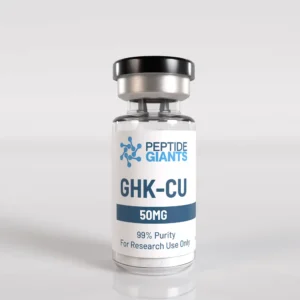
About KPV 10mg Research Peptide
KPV (Lys-Pro-Val) is a tripeptide that matches the C-terminal end of alpha-melanocyte-stimulating hormone, supplied as a lyophilized powder for laboratory research on melanocortin-derived peptides and inflammatory signaling in cell and animal models. Each batch is tested by an independent lab, and the real result for the batch is shown here with a link to the full lab report.
You can browse every batch report on our lab reports page. Free shipping applies on orders over $200.
Specifications
| Compound name | KPV, also known as Lys-Pro-Val and alpha-MSH (11-13) |
|---|---|
| Sequence | H-Lys-Pro-Val-OH |
| Compound class | Tripeptide, C-terminal fragment of alpha-MSH |
| Form | Lyophilized powder |
| Vial size | 10mg |
| Molecular formula | C16H30N4O4 |
| Molecular weight | About 342.4 g/mol |
| CAS number | 67727-97-3 |
| Lot number | PG-5194 |
| Purity (10mg batch) | >99.80% ± 0.18% by HPLC-UV/VIS |
| Measured content (10mg batch) | 12.11mg against 10mg labeled |
| Testing laboratory | Vanguard Laboratory, Olympia, WA (report dated 3 July 2026) |
| Storage (unopened) | -20°C, dry, protected from light |
| Intended use | In-vitro and preclinical laboratory research only |
Product details
Overview
KPV is a three-residue peptide made of lysine, proline and valine. It is the last three residues of alpha-MSH, a 13-residue hormone, and it has become a common small-molecule-sized tool in melanocortin and inflammation research because it is far shorter than the parent peptide.
Mechanism of interest
Published work reports that KPV inhibits activation of the NF-kB pathway, which controls the production of many pro-inflammatory cytokines. In cell studies, KPV was taken up by the intestinal peptide transporter PepT1, and the effect depended on that uptake.
Published research context
KPV has been studied in cell cultures and in mouse models of colitis. Our listing describes these papers only to help researchers find the literature, and it is not a statement about what the material does in people.
Purity and quality testing
Every batch is tested by an independent laboratory before it is listed. The result for this lot is published as the full certificate of analysis, so you can check the number yourself instead of trusting a summary.
How to read the lab report
- Check the lot number and report date match your vial. The 10mg lot shown here is PG-5194.
- On the HPLC chromatogram, the main peak should dominate. The purity figure is that peak's share of the total area, reported with the lab's uncertainty.
- Compare the measured quantity with the label. For this lot the lab reported 12.11 mg against 10 mg.
- Use the verification link on the lab reports page to confirm the report on the laboratory's own site.
Form, preparation and storage
How KPV compares with related melanocortin peptides
Researchers use several peptides derived from or related to alpha-MSH, and they differ in size and target.
| Compound | Type | Focus in published work |
|---|---|---|
| KPV | Tripeptide, alpha-MSH residues 11-13 | NF-kB inhibition and PepT1-mediated uptake in cell and colitis models |
| Alpha-MSH | 13-residue endogenous peptide | Melanocortin receptor binding, including MC1R and MC4R |
| Melanotan II | Cyclic synthetic analogue | Non-selective melanocortin receptor agonist |
Why researchers order from Peptide Giants
Reliable work depends on knowing exactly what is in the vial, and we publish the evidence for it.
Frequently Asked Questions About KPV
What is KPV?
KPV is the tripeptide Lys-Pro-Val, which corresponds to residues 11 to 13 at the C-terminal end of alpha-melanocyte-stimulating hormone (alpha-MSH). It is supplied here as a lyophilized powder for in-vitro and preclinical research.
Is KPV the same as alpha-MSH (11-13)?
Yes. KPV, Lys-Pro-Val and alpha-MSH (11-13) are names for the same three-residue sequence, CAS 67727-97-3.
Is KPV an approved medicine?
No. KPV has not been approved for any use, and research on it is preclinical. The material sold here is a research chemical that is not made, tested or labeled for use in people.
Is this product for human use?
No. It is sold strictly for in-vitro laboratory research. It is not for human or veterinary use, consumption, injection or ingestion.
What purity is it tested at?
The 10mg batch, lot PG-5194, tested at more than 99.80% plus or minus 0.18% by HPLC-UV/VIS at Vanguard Laboratory, reported on 3 July 2026. You can open the report from the lab reports page.
Why is the measured content above the label?
The lab measures the amount of peptide actually present in the vial. For lot PG-5194 it reported 12.11 mg against the 10 mg label, which is about 21% above the labeled amount. We publish the figure exactly as the lab reported it. If your work depends on the exact quantity, use the lab's measured value and contact us at cs@peptidegiants.com with any questions about the lot.
Do you provide a certificate of analysis?
Yes. Each batch has a third-party certificate of analysis, and the one for this lot is linked on this page and on the lab reports page. It carries the lot number, the HPLC chromatogram, the purity result and the measured quantity.
What does the certificate cover?
The report covers chromatographic purity by HPLC-UV/VIS and measured quantity. It does not report mass spectrometry identity, heavy metals, microbiology or endotoxin, so arrange your own testing if your work needs those.
Does it need reconstitution?
Yes. KPV ships as a lyophilized powder, and any solvent choice, concentration and handling should follow your own validated laboratory protocol.
How is KPV different from alpha-MSH?
Alpha-MSH is a 13-residue hormone that acts at melanocortin receptors. KPV is only its last three residues, and published work reports activity for this fragment that is separate from the pigment and receptor-binding functions of the full peptide.
How should I store the vial?
Store unopened vials at -20°C, dry and protected from light. After reconstitution, follow your laboratory's stability guidelines and avoid repeated freeze-thaw cycles.
What should I use to reconstitute it?
Solvent choice depends on your assay. KPV is a small, charged tripeptide that is generally water-soluble, but check your own validated protocol and run a small solubility test before preparing a full batch.
Can I get dosing guidance?
No. We do not provide dosing, administration or usage instructions, because this product is not for use in people or animals. Published preclinical papers are listed in the references.
What if my order arrives damaged?
Contact us within 48 hours with your order number and photos of the vial and packaging, and we will arrange a replacement or refund under our returns policy.
Is checkout secure?
Payments are processed through encrypted payment providers, and we do not store full card details. See our privacy policy.
References
Dalmasso G, Charrier-Hisamuddin L, Nguyen HTT, Yan Y, Sitaraman S, Merlin D. PepT1-mediated tripeptide KPV uptake reduces intestinal inflammation. Gastroenterology. 2008;134(1):166-178.
Kannengiesser K, Maaser C, Heidemann J, et al. Melanocortin-derived tripeptide KPV has anti-inflammatory potential in murine models of inflammatory bowel disease. Inflamm Bowel Dis. 2008;14(3):324-331.
Research background
Extensively researched across peer-reviewed literature for cellular mechanisms, binding affinity, and biochemical pathways in laboratory models.
Quality and analytical standard
Each batch is tested by Vanguard Laboratory, a third-party analytical lab. Check the lot number on your vial against the test results and COA on this page.
Customer reviews
Switched from our previous vendor after seeing the third-party HPLC reports. Quality is superior and pricing with the volume tiers is unbeatable.
Had a question about batch analysis and support responded within 15 minutes with the full analytical report. Extremely transparent and professional vendor. Best peptide supplier out there.
Checked the batch lot on the vial against the COA PDF download and everything lined up 100%. Reconstitution was instant with zero cloudiness. Outstanding analytical transparency.
Hit the bulk tier and the free Reconstitution Water was in the box just like the site showed. Very smooth checkout with instant tracking updates.