🎆 Independence Day Sale! Save 50% OFF Storewide + EXTRA 10% OFF with code: 4JULY
🎆 Independence Day Sale! Save 50% OFF Storewide + EXTRA 10% OFF with code: 4JULY
$65.99 – $302.49Price range: $65.99 through $302.49
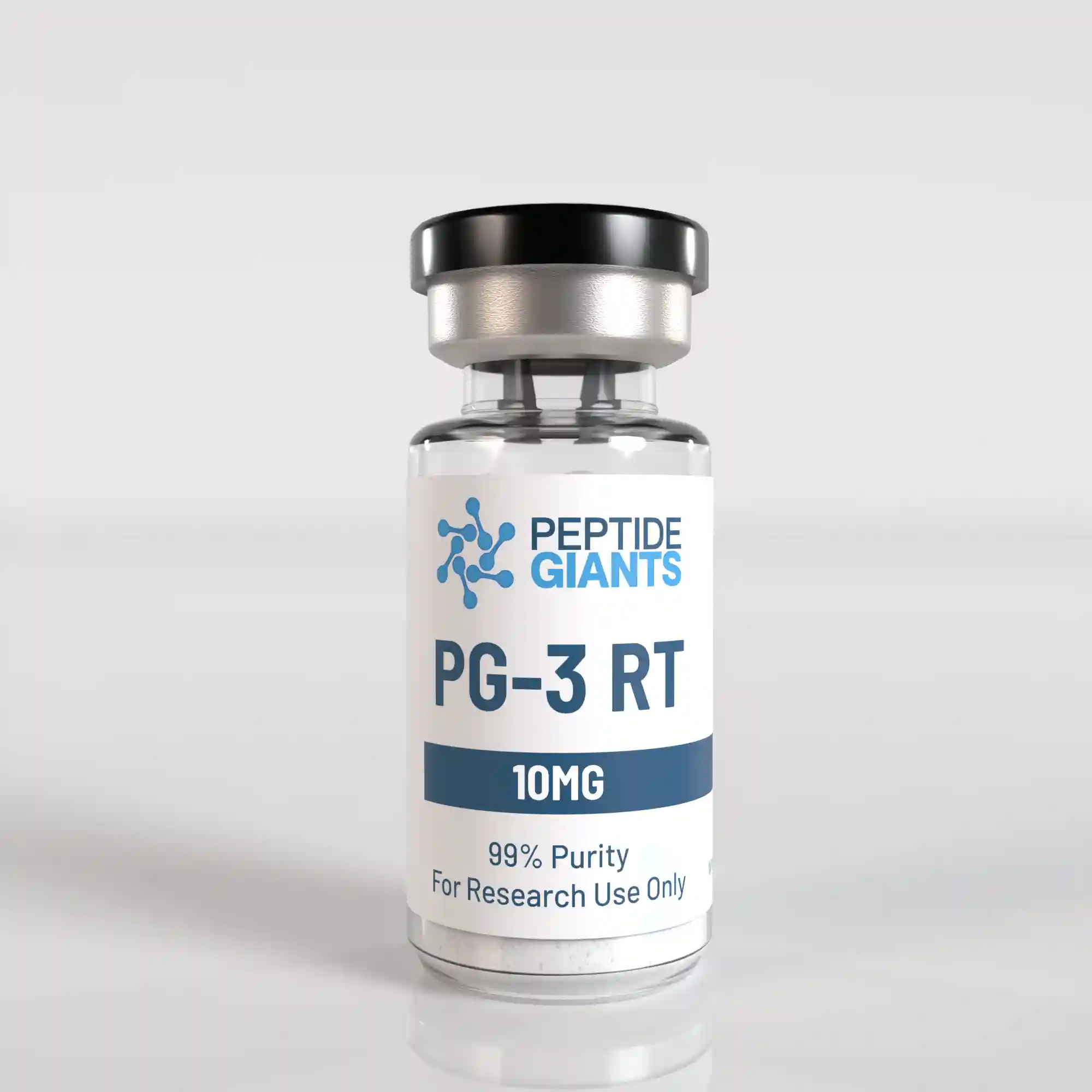
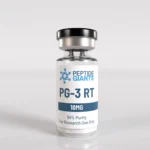
PG-3RT is for research use only.
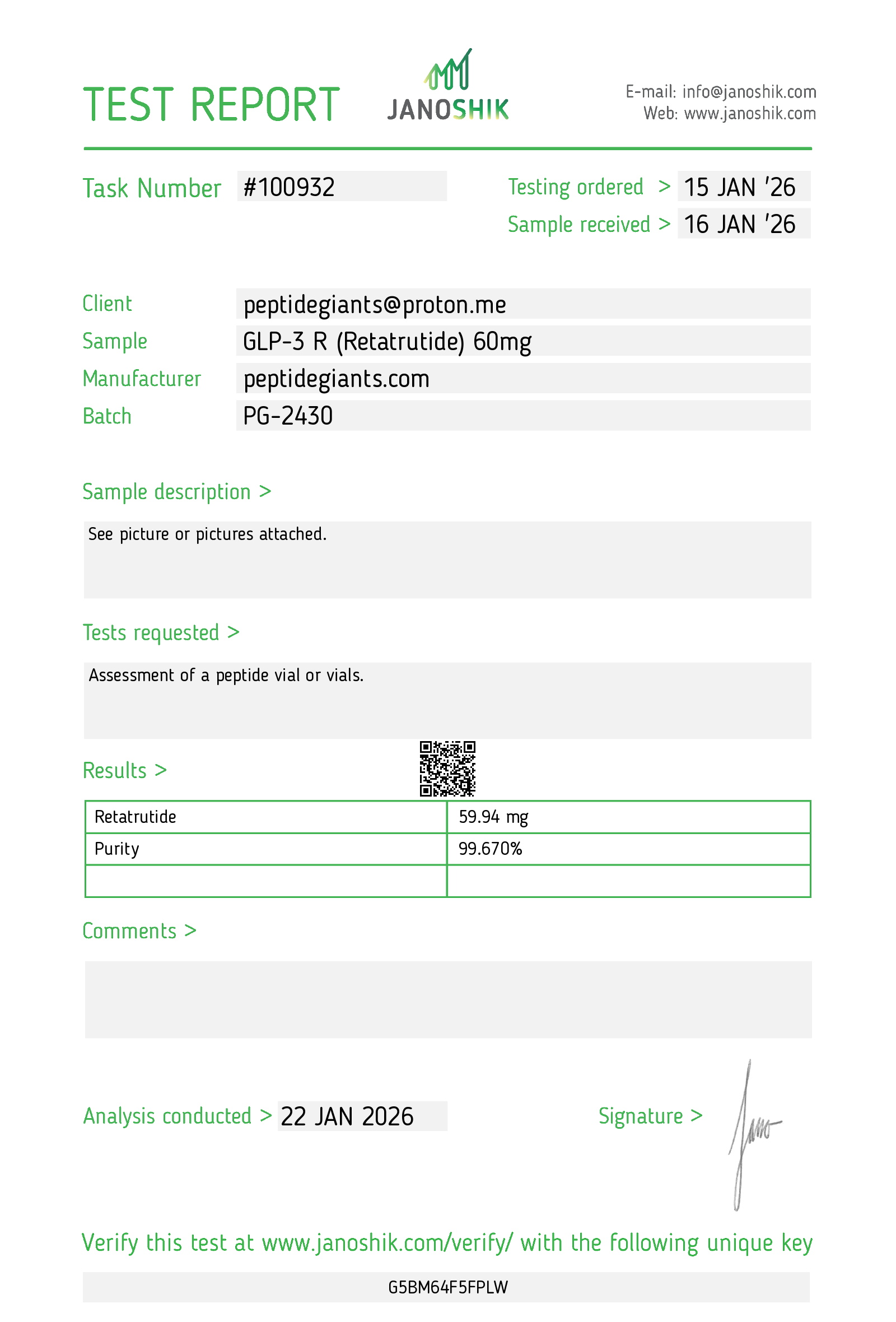
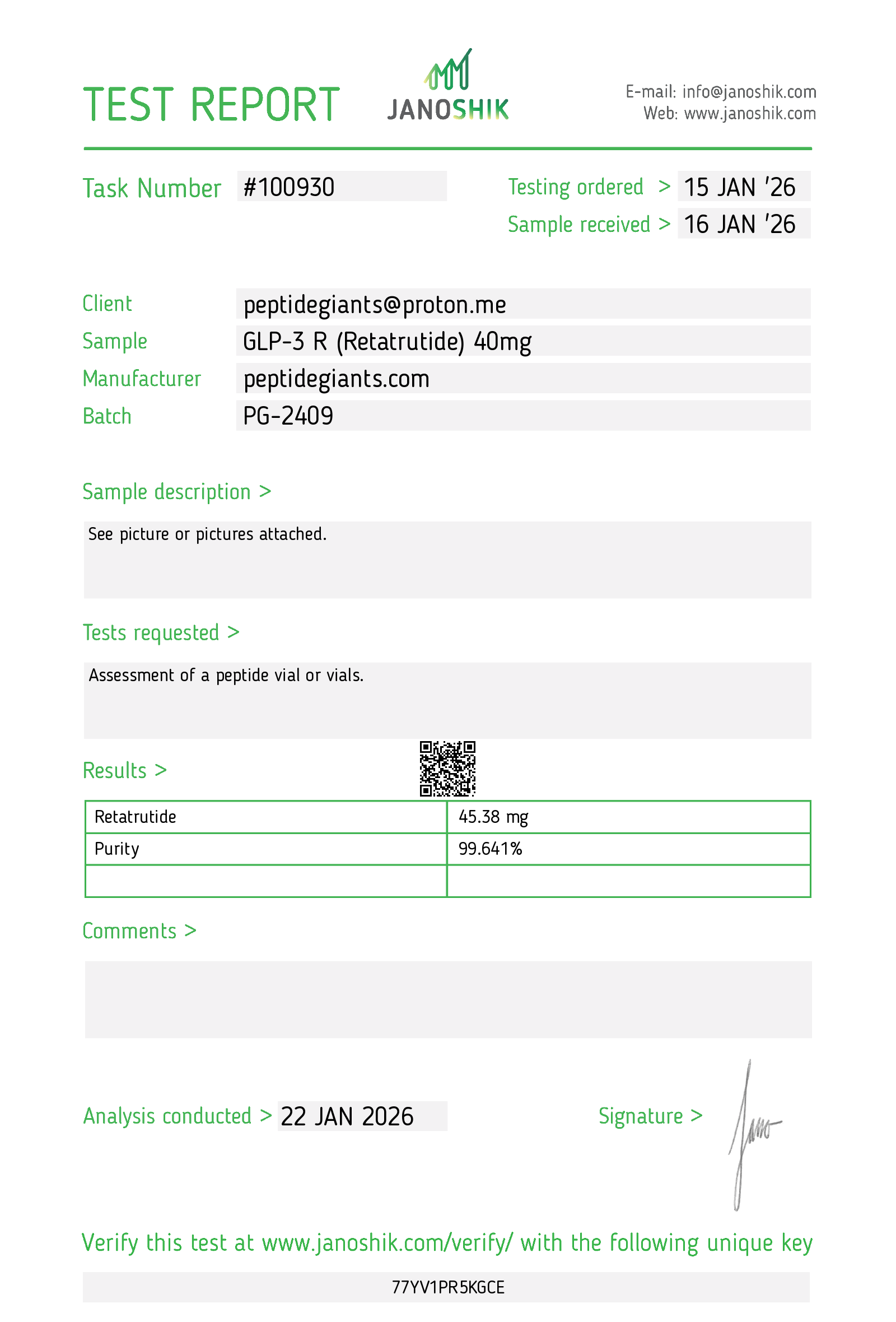
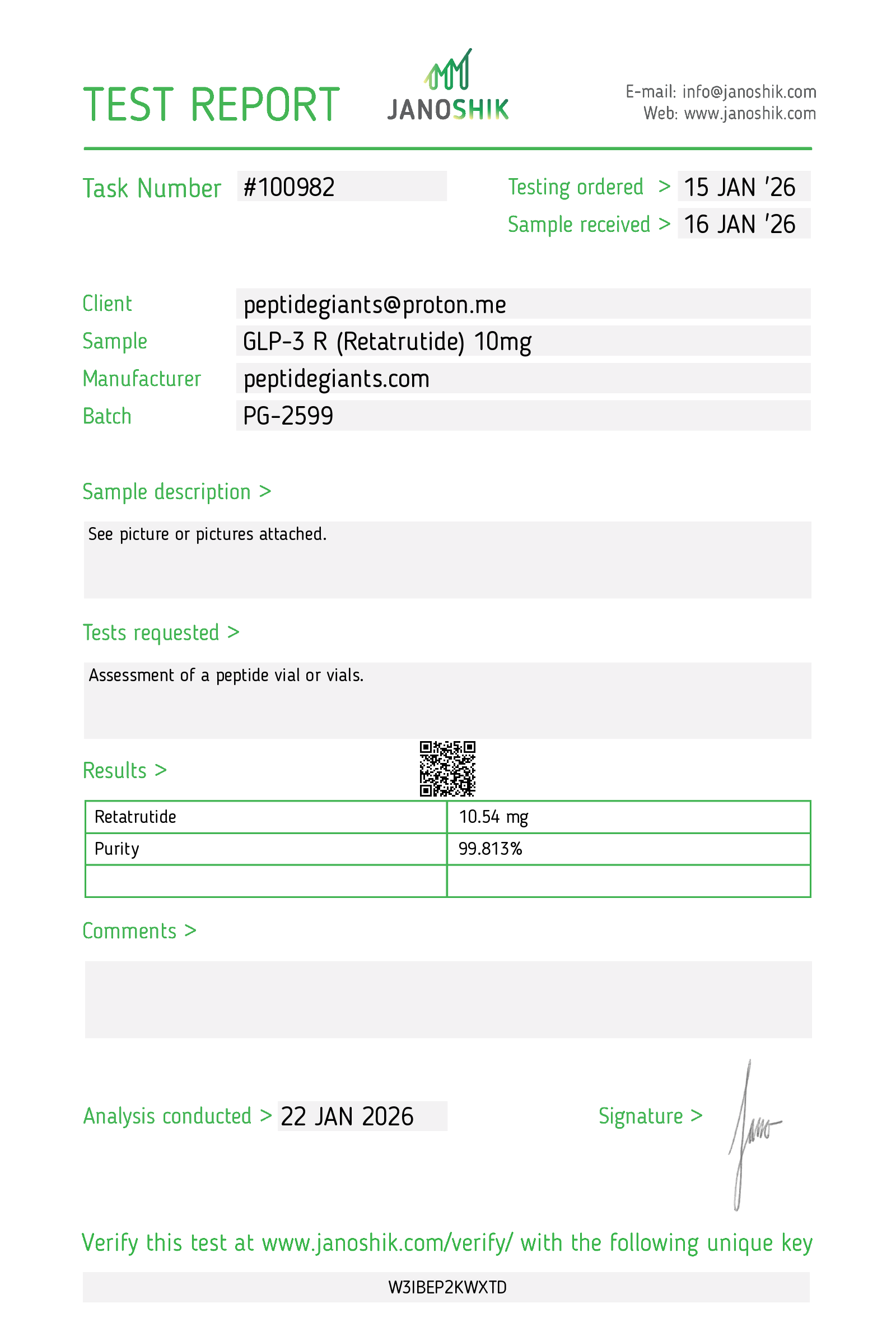
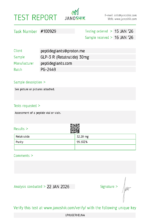
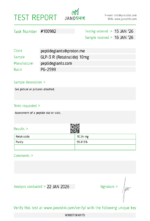
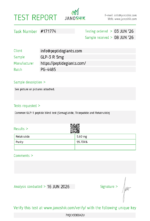
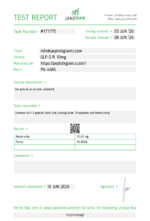
Each batch includes a certificate of analysis provided by Janoshik laboratory based in the US
| Quantity | Price | Discount |
|---|---|---|
| 3-4 | $62.69 | 5% |
| 5-9 | $60.71 | 8% |
| 10-14 | $59.39 | 10% |
| 15+ | $56.09 | 15% |
PG-3RT is a synthetic peptide research compound studied for its activity across multiple hormone-receptor signaling pathways involved in metabolic research. The compound is supplied as a lyophilized research material for laboratory investigation of receptor pharmacology, cellular signaling, energy regulation, and related metabolic processes.
PG-3RT is a synthetic research peptide investigated in laboratory research involving multiple hormone-receptor pathways. Its research profile centers on the interaction between peptide-based signaling and receptors involved in metabolic regulation.
Rather than being characterized by activity at a single receptor pathway, PG-3RT is studied in the context of multi-receptor signaling, allowing researchers to examine how interconnected hormonal pathways influence downstream cellular processes.
The primary research interest surrounding PG-3RT involves its relationship with multiple hormone receptors.
These receptor relationships connect PG-3RT research with broader areas of:
Studying several receptor pathways within the same experimental system allows researchers to investigate interactions between complementary signaling mechanisms.
PG-3RT is investigated for its interaction with hormone receptors involved in metabolic signaling. Receptor activation can initiate intracellular signaling processes that influence downstream biological pathways.
Research surrounding multi-receptor peptide compounds commonly examines the relationship between:
Peptide → receptor interaction → intracellular signaling → metabolic pathways → physiological response
This framework allows laboratory researchers to investigate how coordinated receptor activity may influence processes associated with glucose regulation, energy balance, and substrate metabolism.
Receptor-level research examines how a peptide interacts with its target receptor and how that interaction affects downstream signaling.
These investigations may include receptor-binding studies, signaling-pathway analysis, cellular response measurements, and comparisons between different receptor-activation profiles.
Following receptor interaction, intracellular signaling pathways can transmit information from the cell surface to downstream molecular systems.
Research may therefore examine changes in signaling activity, gene expression, metabolic enzymes, or other measurable cellular responses under controlled experimental conditions.
PG-3RT research is connected to metabolic signaling because its receptor interactions involve pathways associated with energy regulation and nutrient-responsive cellular communication.
Laboratory studies may examine how coordinated receptor activity influences downstream metabolic processes.
Glucose regulation involves interconnected hormonal and cellular pathways responsible for maintaining glucose availability and utilization.
PG-3RT provides a research model for investigating how multi-receptor signaling may interact with pathways involved in glucose-related cellular responses.
Energy homeostasis describes the biological processes involved in maintaining a balance between energy intake, storage, utilization, and expenditure.
Research involving multi-receptor signaling compounds may examine how receptor activity relates to these interconnected processes.
Substrate utilization describes how cells process available nutrients and metabolic substrates to support cellular energy requirements.
PG-3RT research may therefore be relevant to laboratory investigations examining signaling pathways associated with substrate metabolism and energy production.
PG-3RT is also relevant to receptor pharmacology, where researchers investigate ligand-receptor interactions, receptor activation, signaling responses, and relationships between multiple receptor systems.
This makes receptor pharmacology an important contextual area for studying the compound.
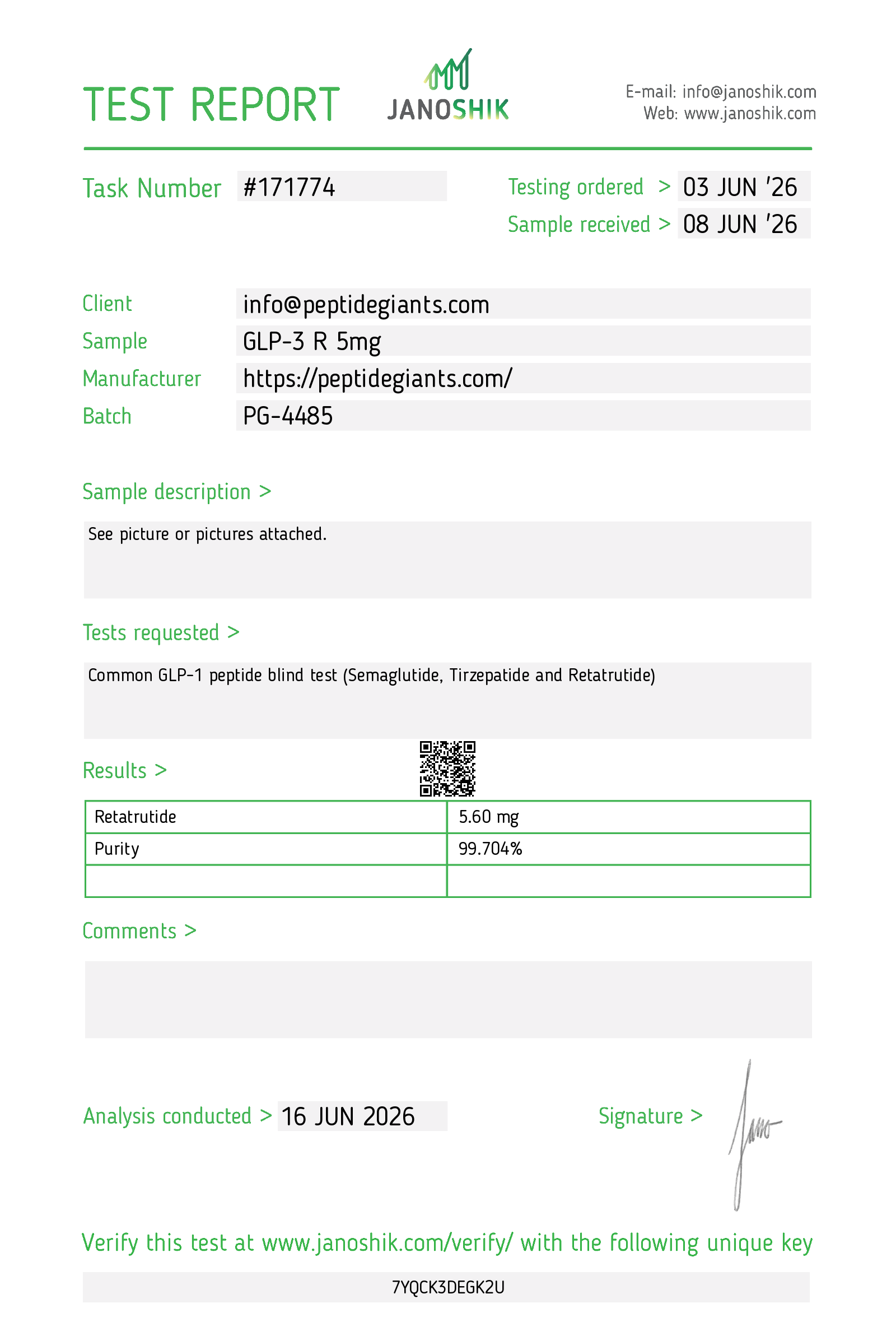
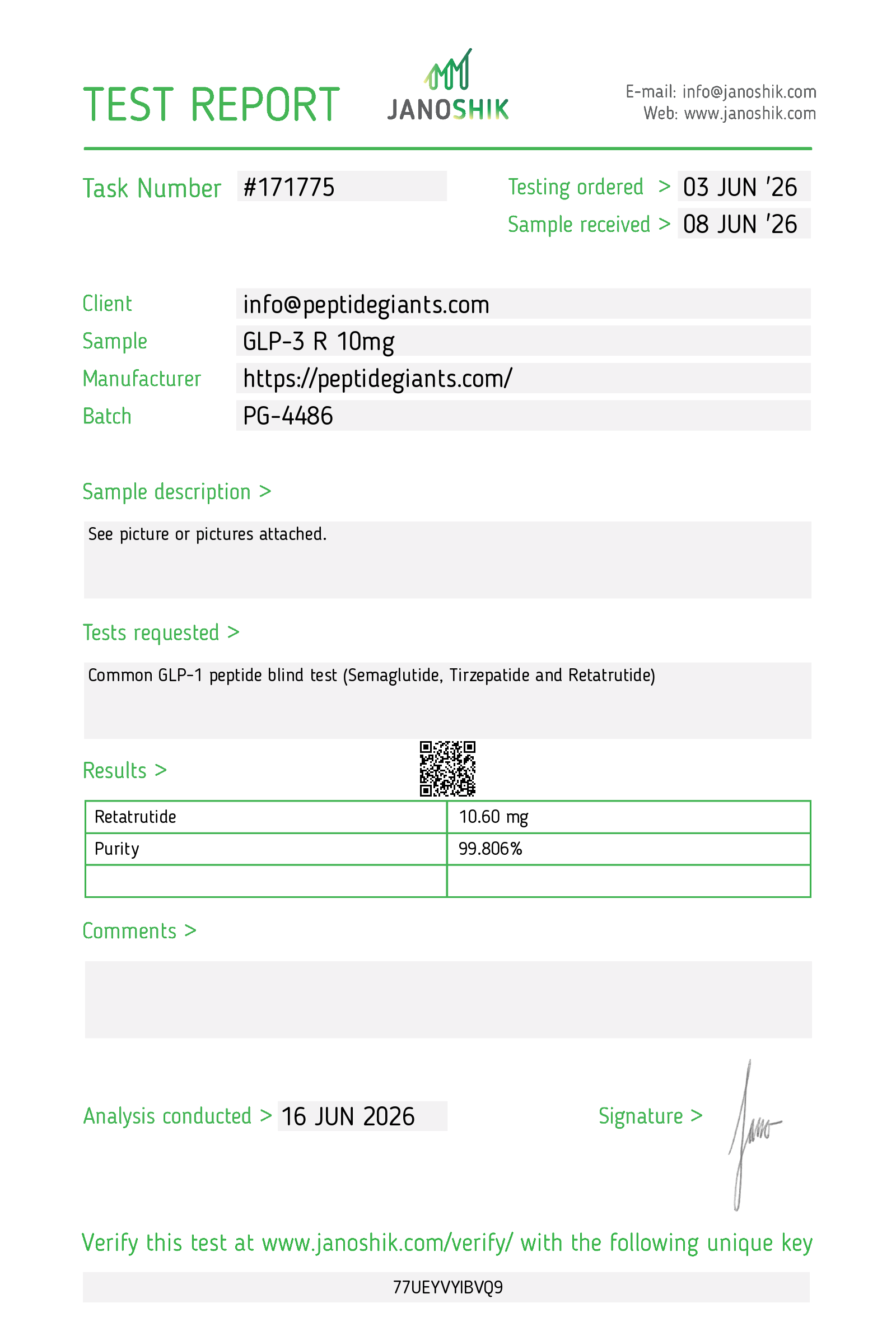
Batch-specific analytical testing is available for selected PG-3RT products.
The supplied laboratory report identifies the tested material as PG-3RT and reports:
The supplied laboratory report identifies the tested material as PG-3RT and reports:
The supplied laboratory certificate reports:
Analytical results are specific to the individual tested batches. Researchers should review the applicable Certificate of Analysis for the specific lot.
| Specification | Details |
|---|---|
| Product Name | PG-3RT |
| Compound Type | Synthetic research peptide |
| Form | Lyophilized powder |
| Research Category | Multi-receptor signaling research |
| Research Areas | Receptor pharmacology, metabolic signaling, energy regulation |
| Available Sizes | 5 mg, 10 mg, 20 mg, 30 mg, 40 mg, 60 mg |
| COA | Available for tested batches |
PG-3RT is supplied strictly for laboratory research purposes. It is not intended for human or veterinary use and is not offered as a drug, dietary supplement, or therapeutic product. The information provided on this page describes research context and should not be interpreted as a claim regarding human use, safety, efficacy, diagnosis, treatment, or disease prevention.
This website is restricted. To continue, please confirm you meet the minimum age requirement and accept the agreement below.
+1 813-325-9979
WhatsApp chat only — please do not call this number.
🕐 Mon–Fri, 9:00 AM – 6:00 PM EST
Start WhatsApp ChatAll products are sold for laboratory research use only. Not for human or veterinary use.