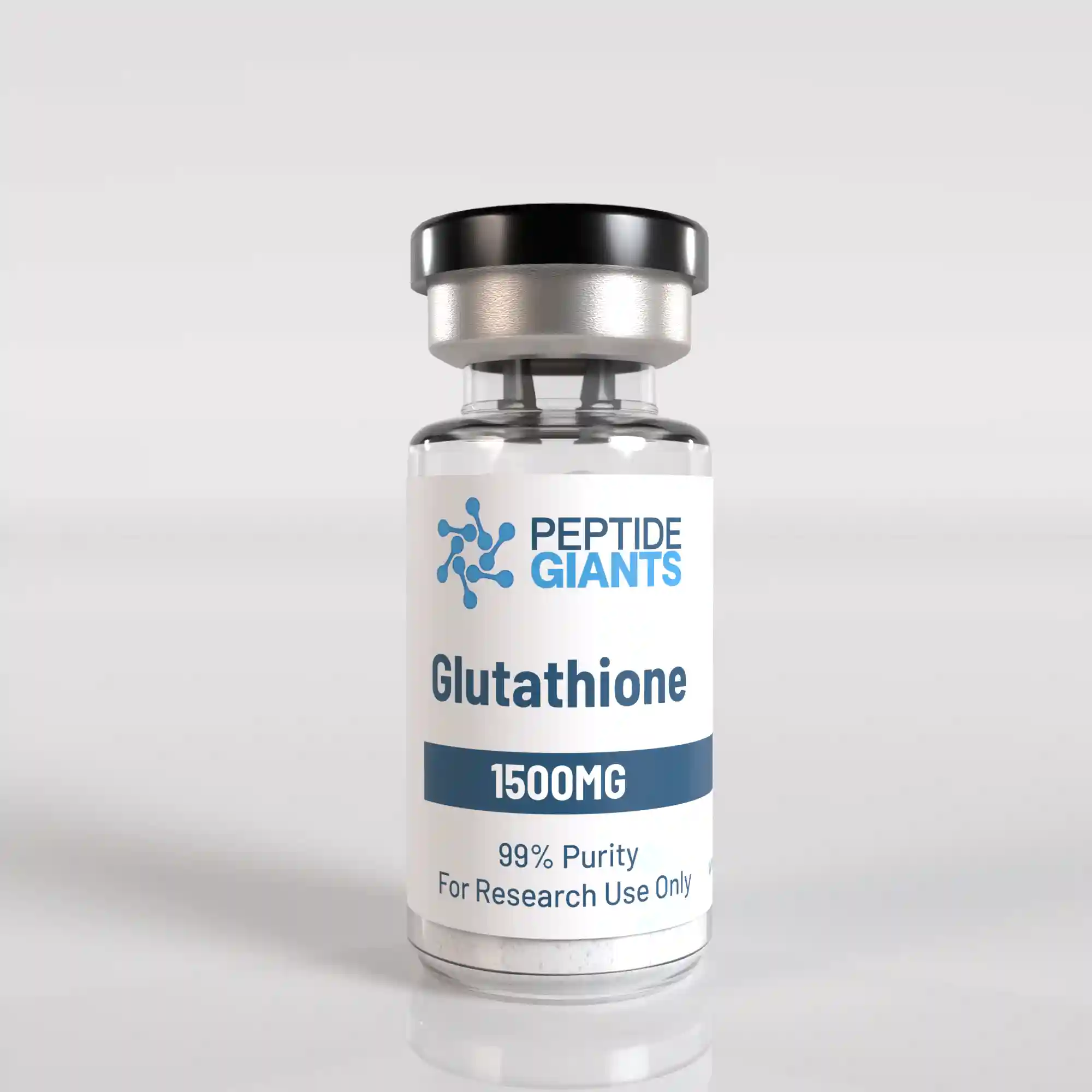
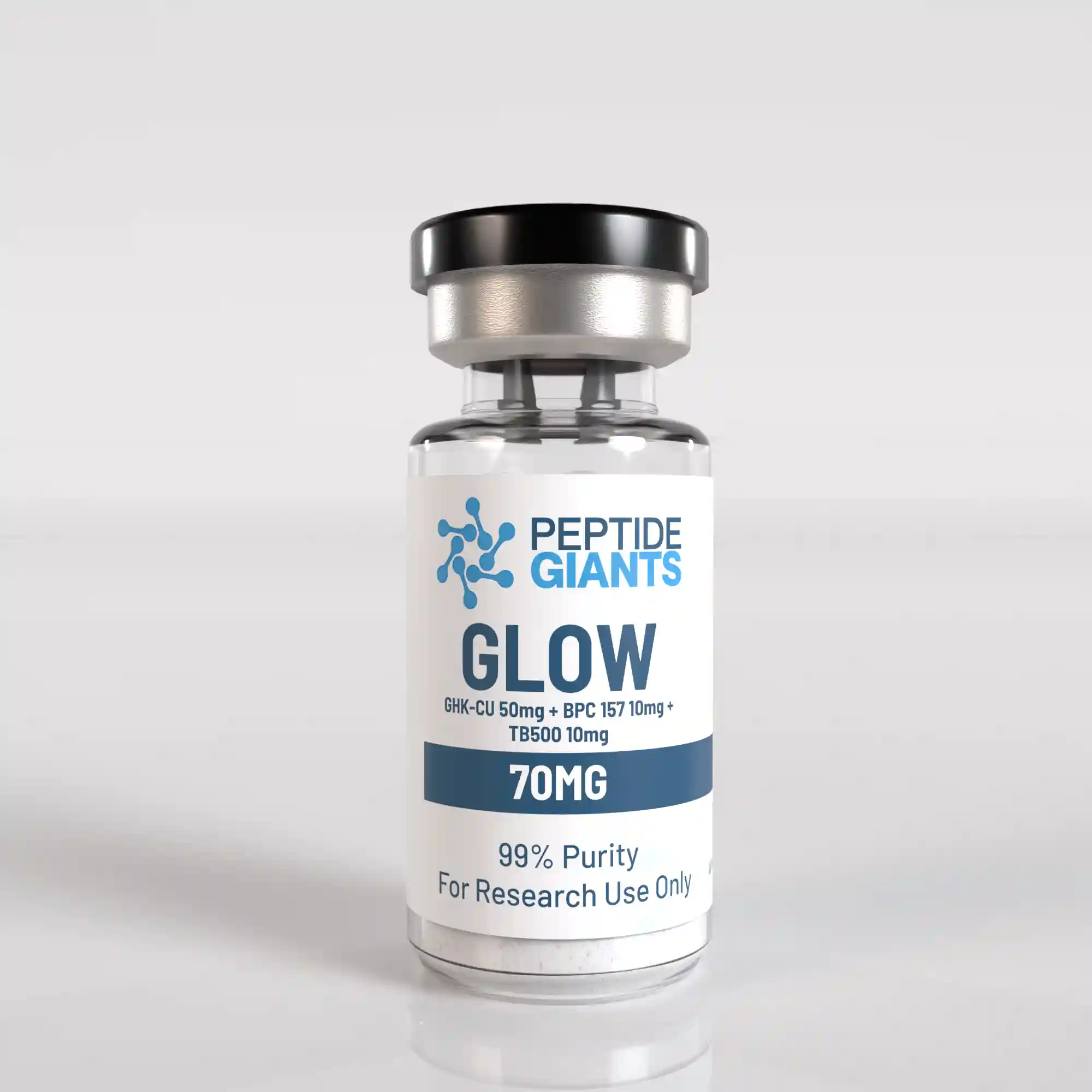
Glutathione is a naturally occurring tripeptide molecule composed of glutamine, cysteine, and glycine. In laboratory research environments, it is widely studied for its role in cellular redox balance, oxidative stress mechanisms, and biochemical electron-transfer processes.
This compound is supplied as a high-purity research-grade material intended strictly for scientific investigation conducted by qualified laboratory professionals.
In biochemical and molecular research, glutathione is frequently analyzed to understand cellular defense mechanisms, enzymatic antioxidant systems, and intracellular signaling pathways under controlled experimental conditions. Researchers use purified tripeptide compounds to evaluate molecular behavior in oxidative and metabolic research models.
Each vial is manufactured under controlled laboratory conditions and verified for purity to support advanced biochemical research applications.
Research Context
Glutathione is categorized as a key intracellular antioxidant tripeptide studied extensively in biochemical and molecular research. It plays a central role in research involving redox reactions, detoxification pathways, and cellular oxidative regulation mechanisms.
Laboratory investigations involving Glutathione may include:
- Cellular redox signaling studies
- Oxidative stress pathway analysis
- Enzyme-cofactor interaction research
- Intracellular biochemical regulation studies
- Controlled in-vitro molecular experiments
These studies are conducted strictly within regulated laboratory research environments using validated experimental methodologies.
Product Specifications
- Compound Name: Glutathione (GSH)
- Type: Tripeptide antioxidant compound
- Form: Research-grade powder
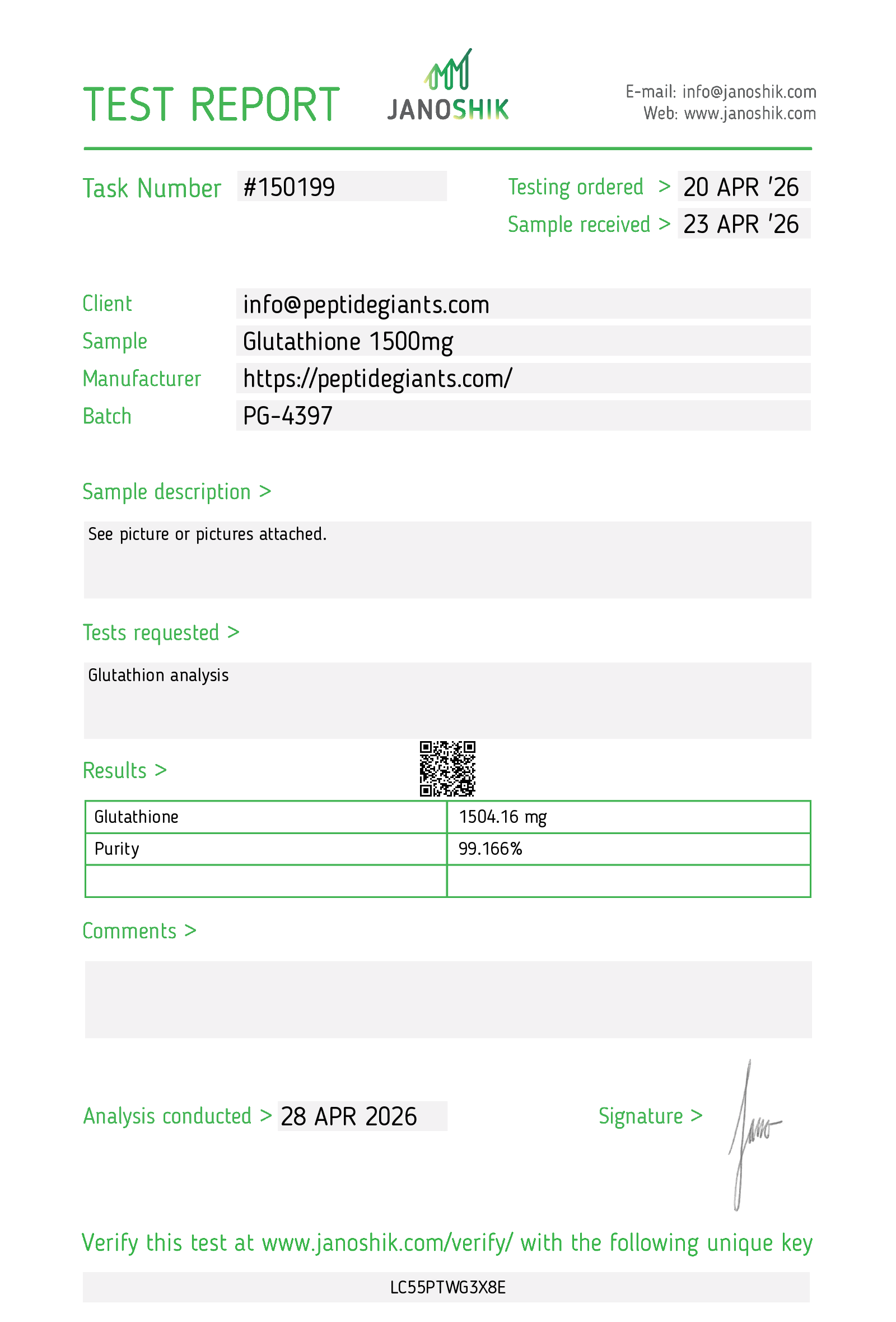
- Purity: ≥99% (analytical testing available)
- Grade: Laboratory / research grade
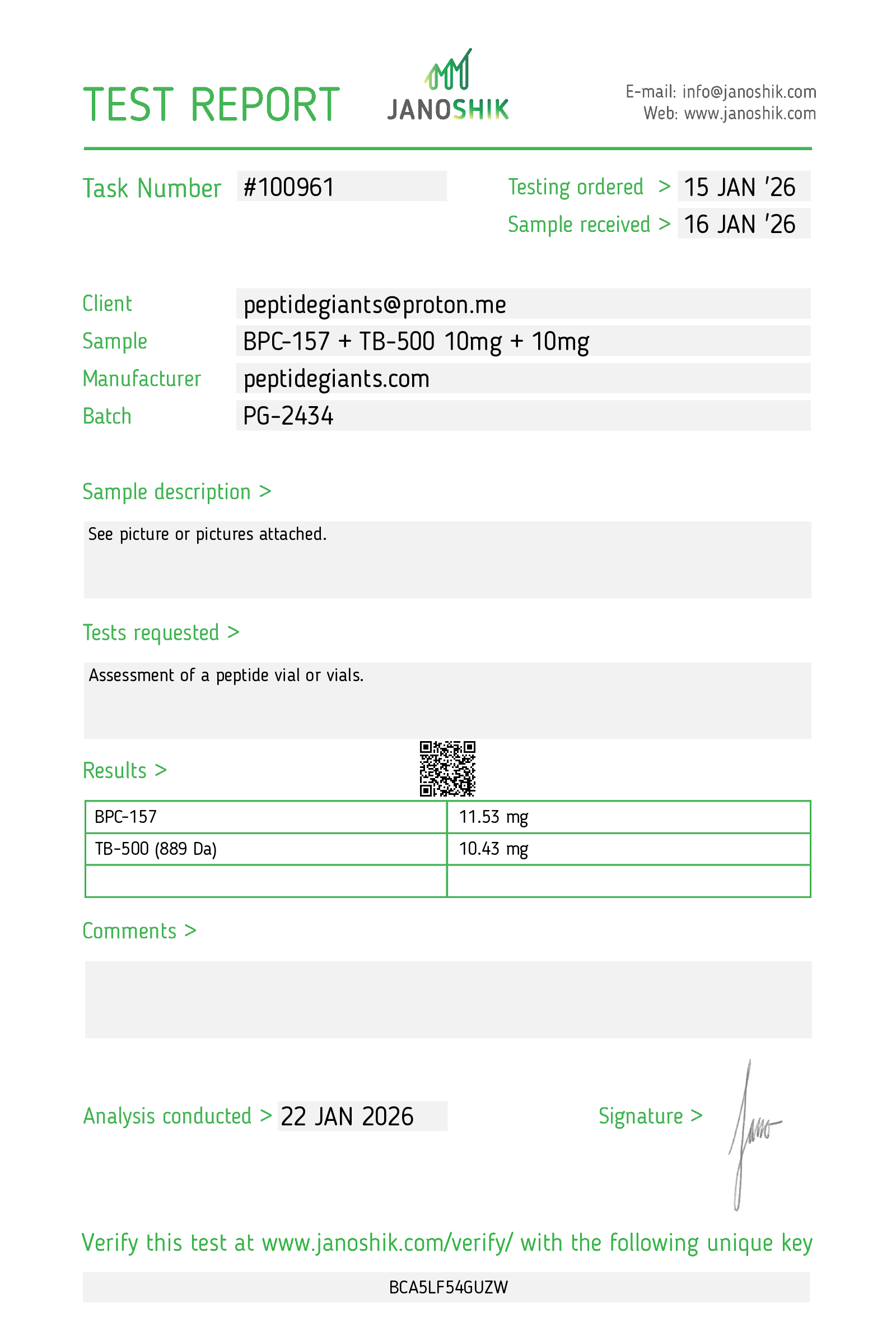
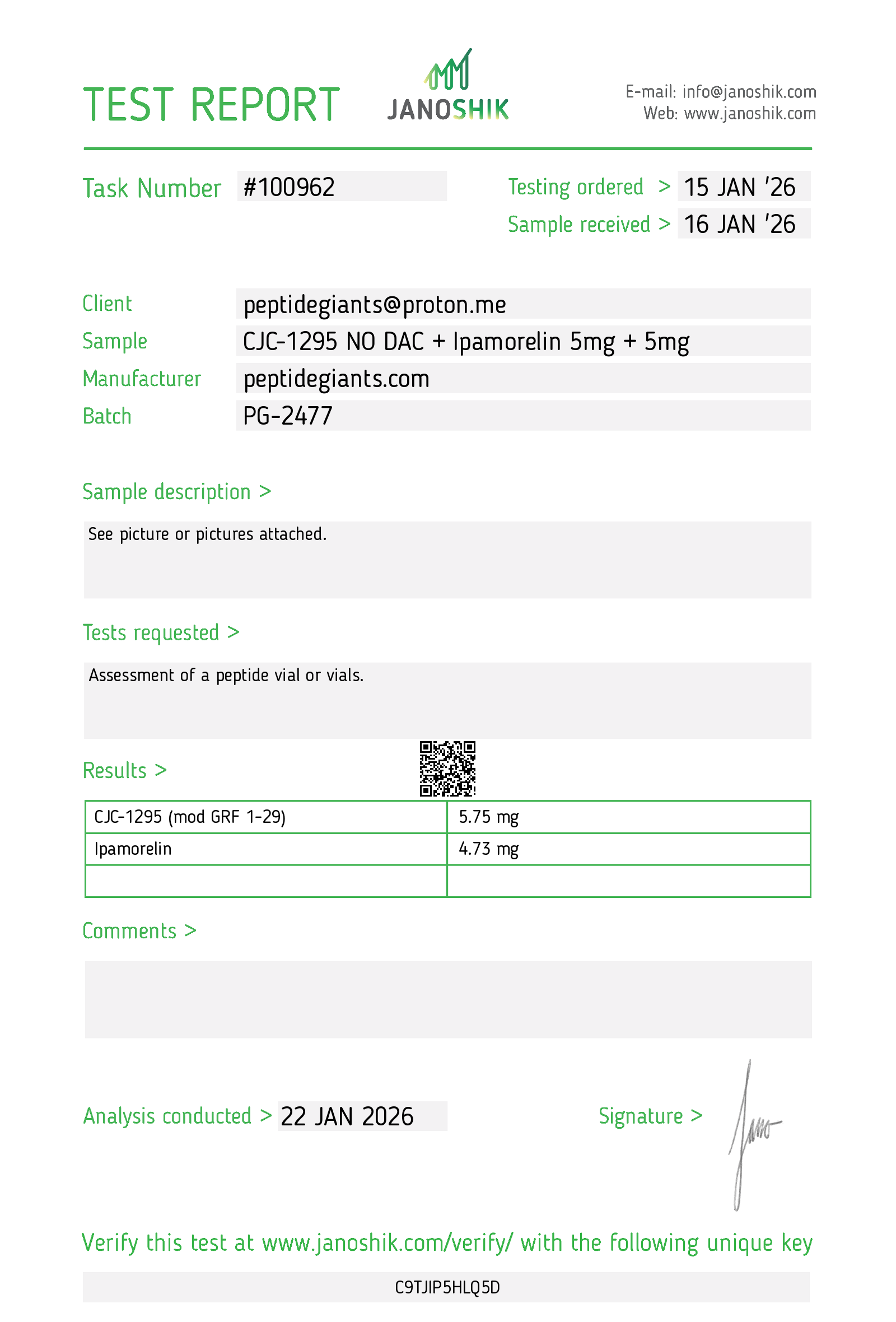
- Testing: Certificate of Analysis (COA) available
- Manufacturing: Produced in controlled laboratory manufacturing facilities
Each batch undergoes analytical verification to ensure identity, purity, and consistency before release for research use.
Storage & Handling
Proper storage is required to maintain compound stability during laboratory research.
Recommended storage conditions:
- Store in a cool, dry environment
- Protect from heat, light, and moisture exposure
- Refrigeration may be required depending on formulation
- Follow standard laboratory chemical handling procedures
Quality Control & Verification
Each production batch is tested to ensure high-quality research standards:
- HPLC purity analysis
- Mass spectrometry verification (where applicable)
- Batch traceability and documentation
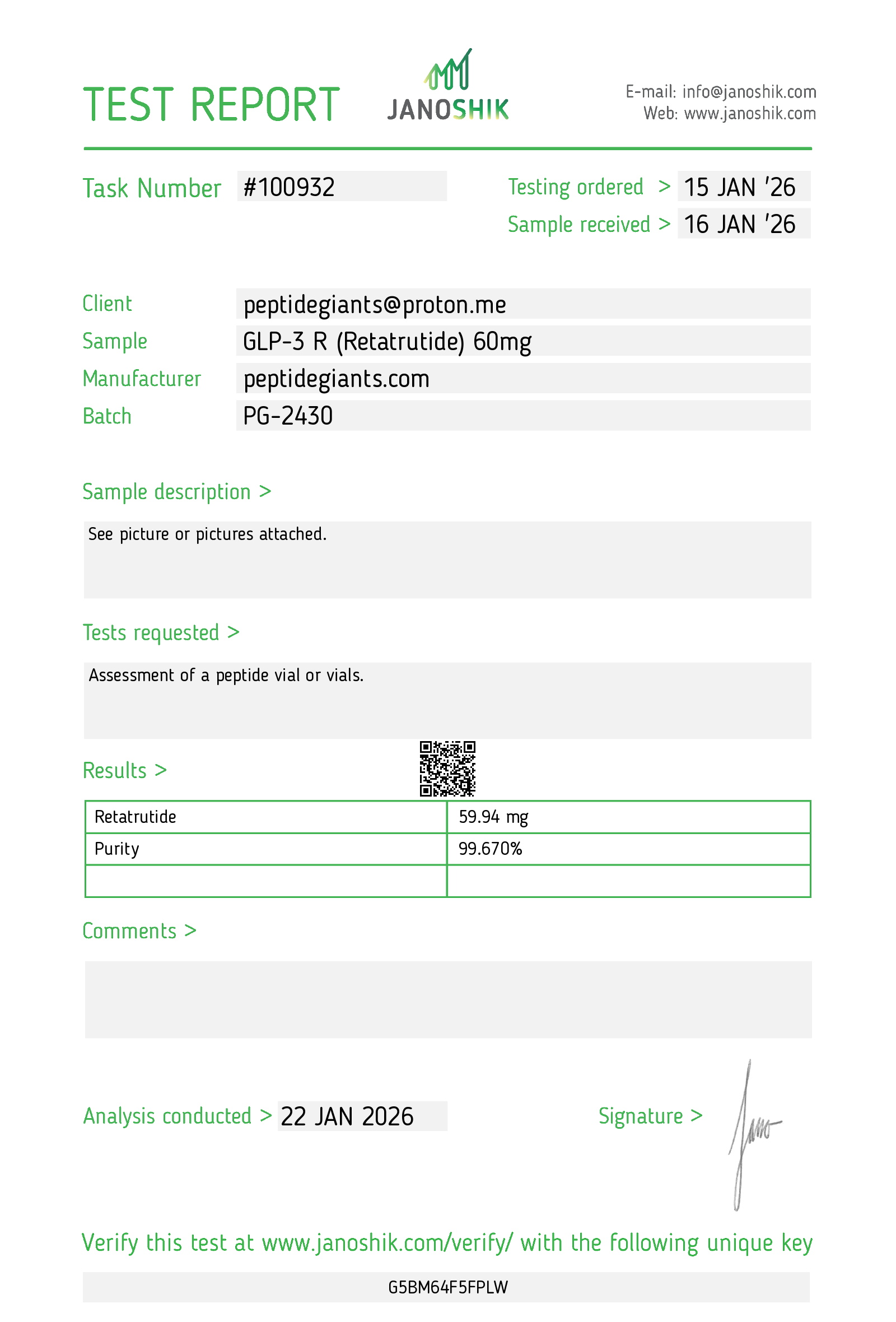
Researchers may review the Certificate of Analysis (COA) for detailed analytical data.