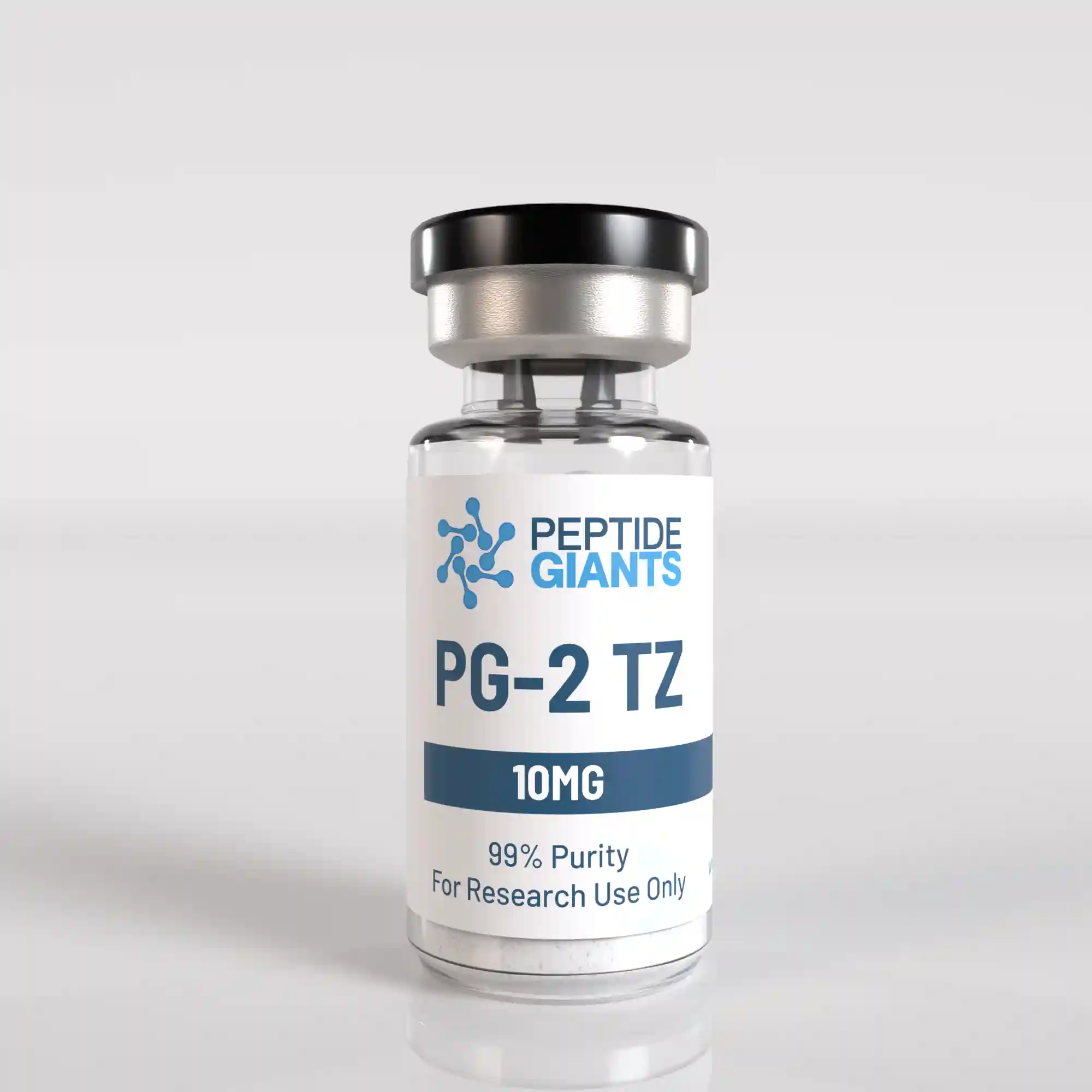
PG-2TZ

Price range: $39.99 through $196.00

PG-2TZ is a synthetic 39-amino-acid research peptide studied as a dual-receptor agonist in metabolic and incretin research. Its research profile involves coordinated activity at the GIP receptor and a second incretin receptor, providing a model for investigating receptor signaling, glucose regulation, energy metabolism, and related cellular pathways.

Quantity Price Discount
3-4 $37.99 5%
5-9 $36.79 8%
10-14 $35.99 10%
15+ $33.99 15%
30-day refund from delivery, processed in 7 days
✓
Replacement or refund on any order issue
✓
3-D Secure, AVS and CVV checked on every card
✓
Home / Single Vials / PG-2TZ

PG-2TZ

Categories:

PG-2TZ is a synthetic 39-amino-acid research peptide studied as a dual-receptor agonist in metabolic and incretin research. Its research profile involves coordinated activity at the GIP receptor and a second incretin receptor, providing a model for investigating receptor signaling, glucose regulation, energy metabolism, and related cellular pathways.

$39.99 – $196.00
Size
Quantity
Price
Regular $100.00 Sale $69.99
Quick Quantity Selection
✓ In stock – Ships same day
▲ Research Use Notice ⌃
For Research Use Only. Not for human consumption or therapeutic treatment.
Documentation & Procurement Controls
Satisfaction Guaranteed
Secure Payment
Third-Party Tested
Free Shipping Over $200 Automatically applied
Same Day Shipping Fast, tracked delivery
payment icon
30-day refund from delivery, processed in 7 days
✓
Replacement or refund on any order issue
✓
3-D Secure, AVS and CVV checked on every card
✓

PG-2TZ is a synthetic 39-amino-acid research peptide studied as a dual-receptor agonist, with activity at the GIP receptor (GIPR) and the glucagon-like peptide-1 receptor. This dual-receptor profile is the defining characteristic of PG-2TZ research, distinguishing it from single-receptor incretin peptides and connecting it to the broader class of multi-receptor metabolic agonists studied in incretin pharmacology.

What Is PG-2TZ?

PG-2TZ is a synthetic peptide research compound with a 39-amino-acid sequence based on a native incretin hormone backbone, modified with two non-proteinogenic amino acid residues and a fatty-diacid moiety attached through a linker. This fatty-acid modification promotes reversible albumin binding, which extends the compound’s circulating half-life relative to unmodified incretin peptides, a structural feature central to its research profile.

The two principal receptor relationships relevant to PG-2TZ research are:

  • PG-2TZ → GIP receptor (GIPR)
  • PG-2TZ → glucagon-like peptide-1 receptor

Together, these two receptor relationships form the basis for studying PG-2TZ as a dual-receptor agonist spanning two complementary incretin signaling systems.

Mechanism of Action

GIP Receptor Signaling

The GIP receptor is a class B G protein-coupled receptor involved in nutrient-responsive incretin signaling. Research has examined PG-2TZ’s binding affinity at GIPR and its downstream effect on insulin secretion and adipocyte signaling, positioning GIPR activity as one half of the compound’s dual-receptor pharmacological profile.

Glucagon-Like Peptide-1 Receptor Signaling

The glucagon-like peptide-1 receptor is a second class B G protein-coupled receptor, activated by PG-2TZ alongside GIPR. Signaling through this receptor is studied in relation to glucose-dependent insulin secretion, glucagon suppression, gastric emptying, and appetite-related signaling. Research has examined how binding behavior at this receptor can differ biophysically from native hormone activity, a distinction studied for its relevance to receptor internalization and downstream signaling duration.

PG-2TZ → GIPR + glucagon-like peptide-1 receptor activation → adenylyl cyclase → cyclic AMP → insulin secretion / glucagon suppression

Why Dual-Receptor Activity Matters

A single-receptor agonist provides a model for studying one hormone-signaling pathway in isolation. PG-2TZ’s dual-receptor activity allows researchers to investigate how simultaneous activation of GIPR and the glucagon-like peptide-1 receptor produces signaling and metabolic effects distinct from either receptor alone, a research question with direct relevance to comparative incretin pharmacology.

GIPR + glucagon-like peptide-1 receptor activation → intracellular signaling → glucose-related pathways → insulin signaling → energy metabolism

PG-2TZ Research Areas

PG-2TZ and Glucose Regulation
Research has examined receptor-mediated effects on insulin secretion, glucagon suppression, and glucose handling, providing a research model for studying how combined GIPR and glucagon-like peptide-1 receptor activation relates to glucose-related metabolic pathways.

PG-2TZ and Energy Metabolism
Research has connected PG-2TZ’s dual-receptor activity to metabolic signaling involving nutrient availability, energy balance, and substrate utilization, relevant to laboratory research examining hormone-receptor interaction with cellular energy metabolism.

PG-2TZ and Incretin Research
Incretins are hormone signals released in response to nutrient intake and involved in metabolic communication. PG-2TZ provides a research model for studying how coordinated activation of two incretin-related receptors, GIPR and the glucagon-like peptide-1 receptor, influences downstream signaling relative to single-incretin agonists.

PG-2TZ and Receptor Pharmacology
PG-2TZ is relevant to receptor pharmacology research examining ligand-receptor binding, receptor selectivity, signaling bias, and comparative receptor activity. Structural research has examined how specific amino acid residues within the peptide sequence influence interactions with GIPR and the glucagon-like peptide-1 receptor individually.

Molecular Characteristics

PG-2TZ is a 39-amino-acid modified peptide based on a native incretin hormone sequence, incorporating two non-proteinogenic amino acid residues and a fatty-diacid modification connected through a linker. The fatty-acid component supports reversible albumin binding, contributing to an extended pharmacokinetic profile relative to unmodified incretin peptides.

Peptide sequence → structural modification → GIPR/glucagon-like peptide-1 receptor binding → signaling activity → pharmacological profile

Product Specifications

Specification Details
Product Name PG-2TZ
Compound Type Synthetic research peptide
Peptide Length 39 amino acids
Receptor Targets GIPR, glucagon-like peptide-1 receptor
Research Profile Dual-receptor agonist
Primary Research Areas Receptor pharmacology, peptide signaling, metabolic research
Form Lyophilized powder
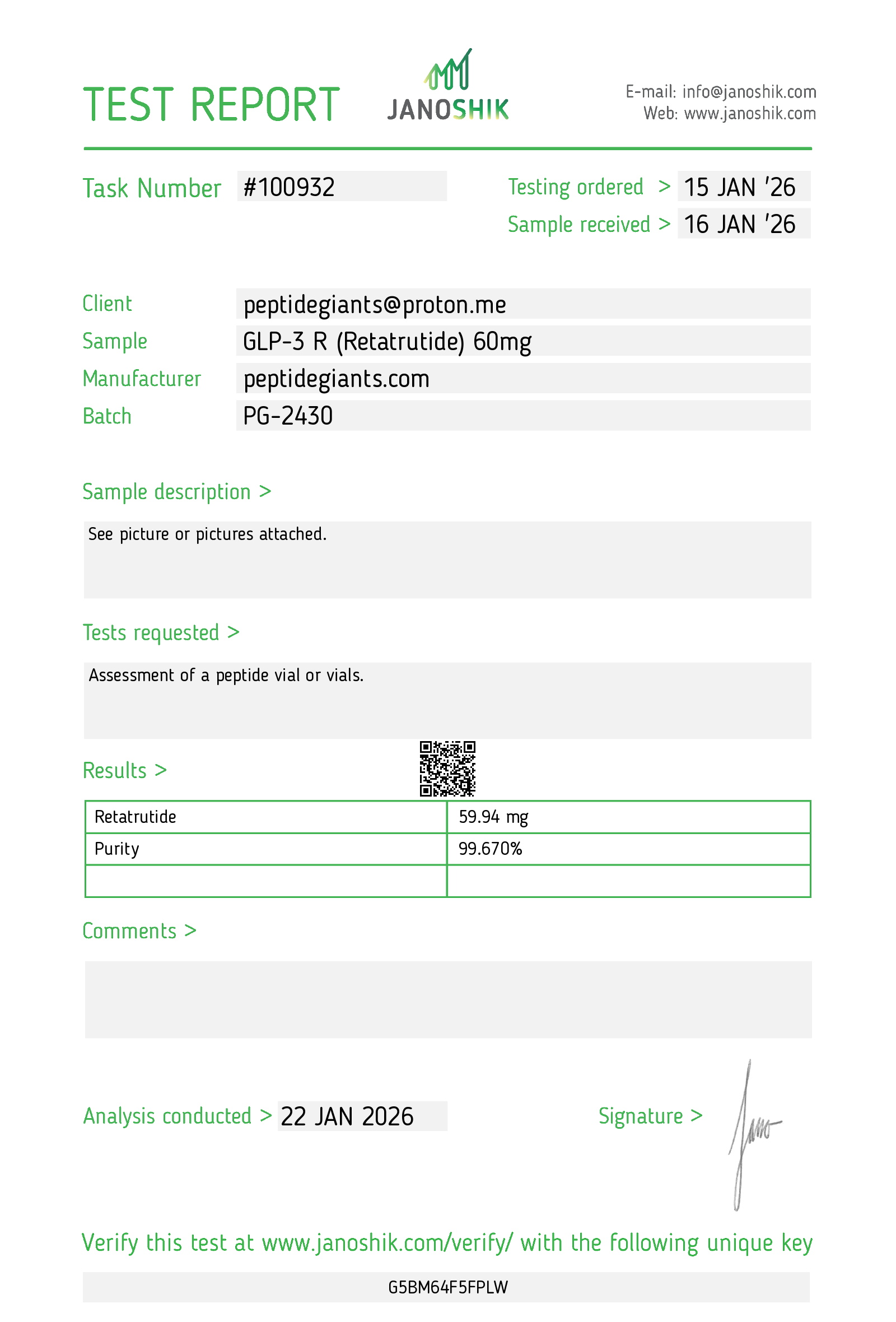
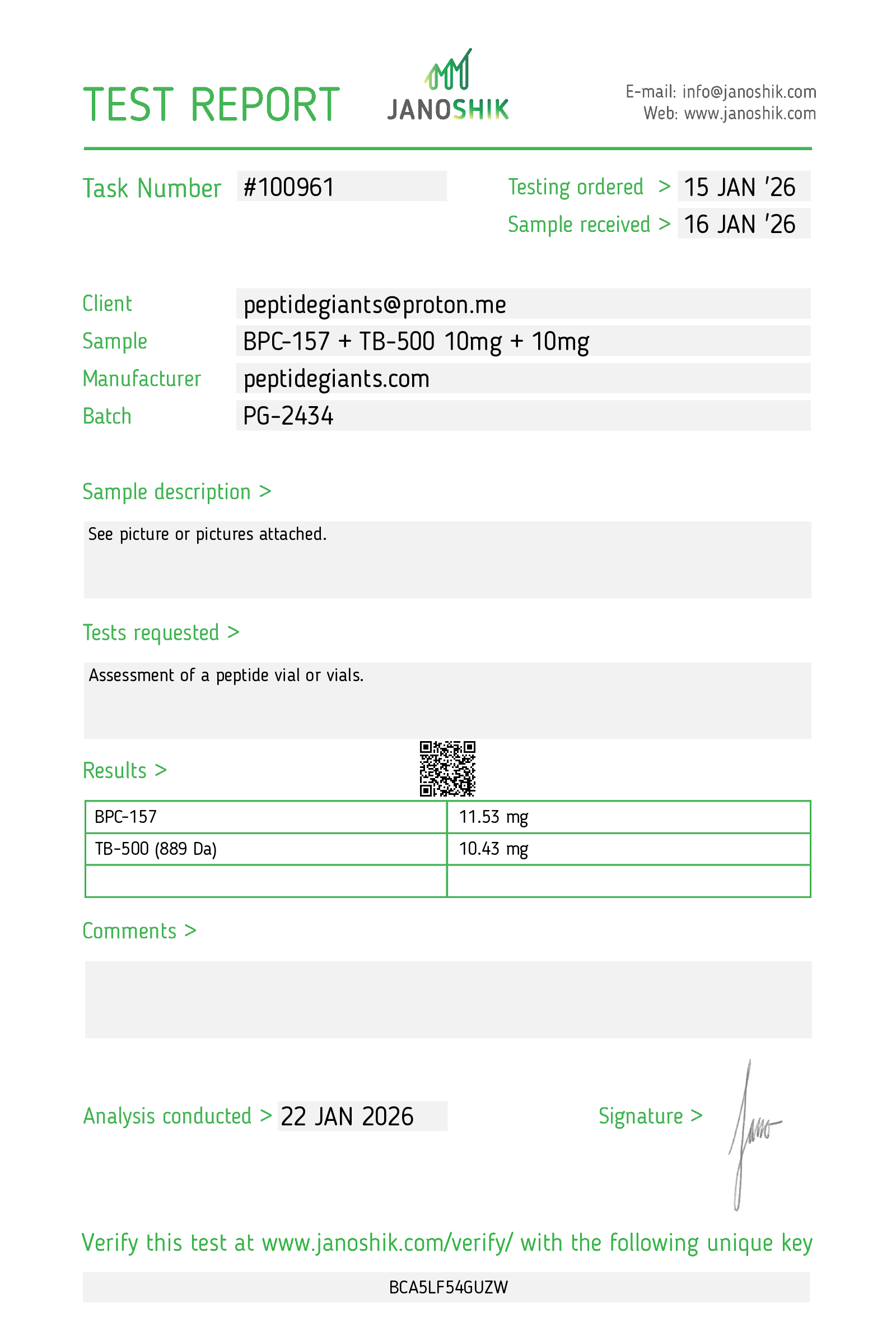
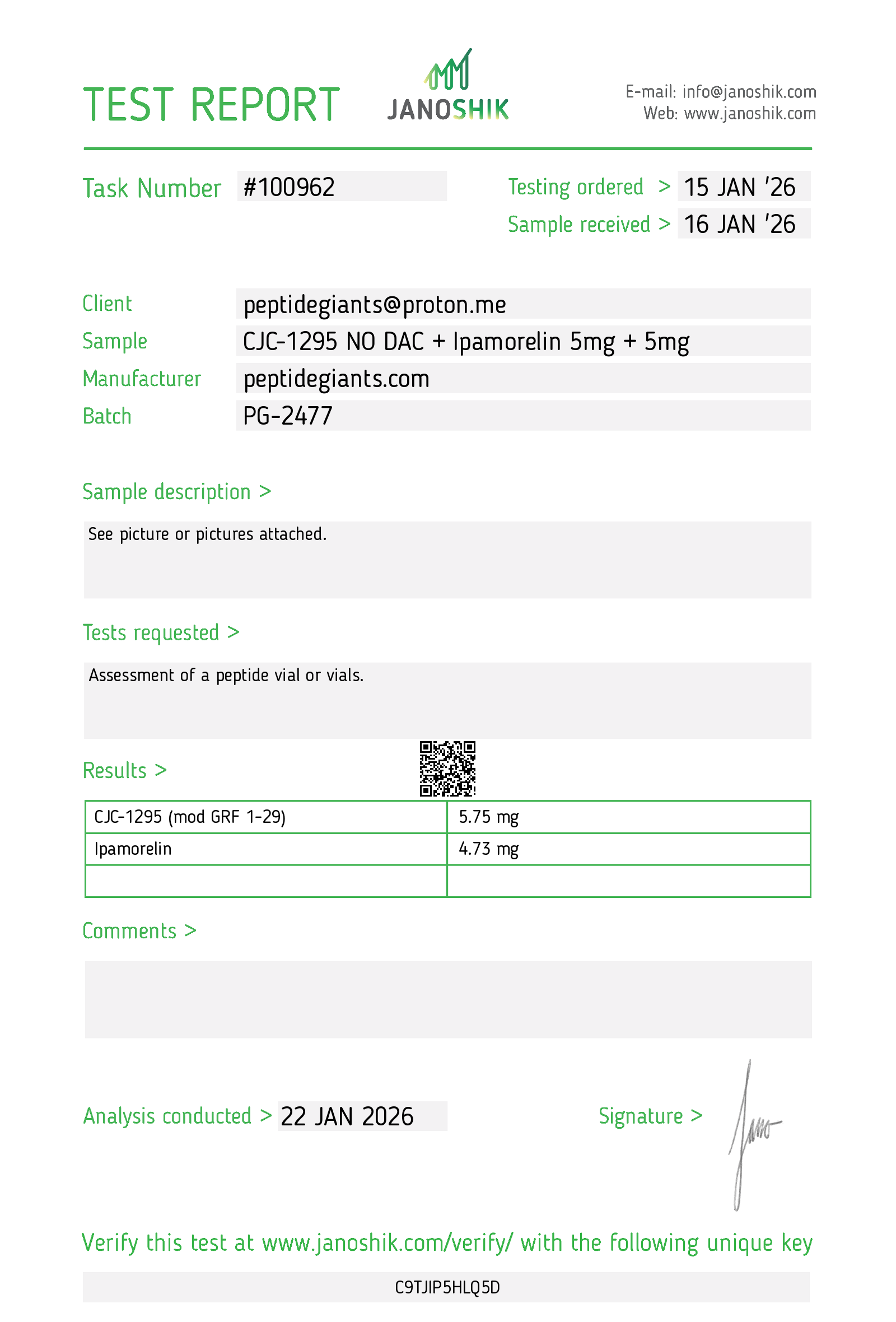
Reported Quantity 32.49 mg
Reported Purity 99.695%
Testing Laboratory Janoshik

The reported analytical results correspond to the specific laboratory-tested material and should not automatically be applied to other PG-2TZ batches.

Research Use Only

PG-2TZ is supplied strictly for laboratory research purposes. It is not intended for human or veterinary use and is not offered as a drug, dietary supplement, or therapeutic product. The information provided on this page describes biochemical and pharmacological research and should not be interpreted as a recommendation for human use, diagnosis, treatment, cure, or disease prevention.