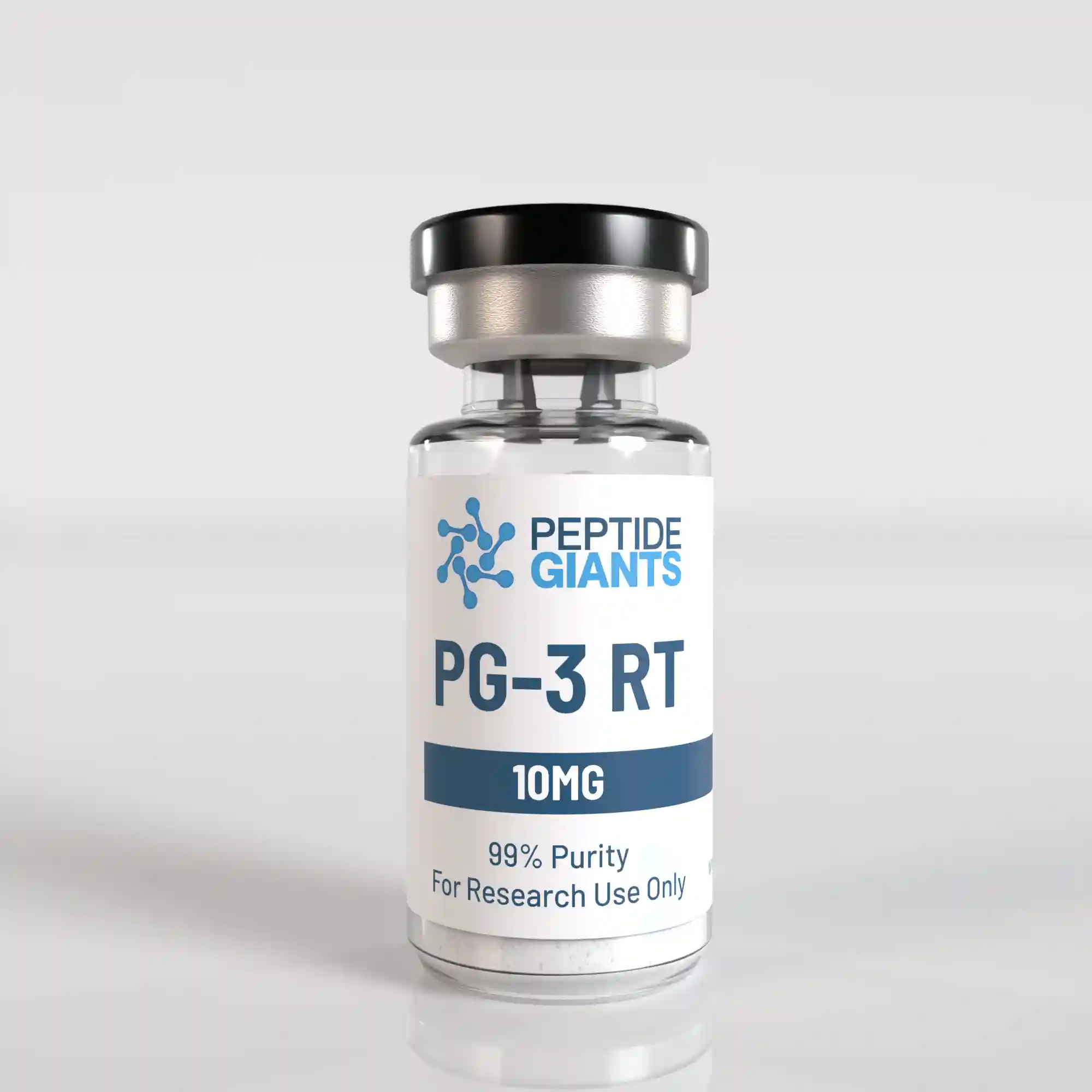
PG-3RT is a synthetic research peptide studied as a triple hormone-receptor agonist, with activity at the glucose-dependent insulinotropic polypeptide receptor (GIPR), the glucagon-like peptide-1 receptor, and the glucagon receptor (GCGR). This three-receptor relationship is the defining characteristic of PG-3RT research, distinguishing it from single- and dual-receptor incretin peptides.
What Is PG-3RT?
PG-3RT belongs to the class of multi-receptor peptide agonists because one peptide interacts with three distinct hormone-receptor systems rather than targeting a single incretin pathway alone.
The three principal receptor relationships are:
- PG-3RT → GIP receptor (GIPR)
- PG-3RT → glucagon-like peptide-1 receptor
- PG-3RT → glucagon receptor (GCGR)
Together, these receptor interactions form the basis for investigating PG-3RT as a triple-receptor agonist spanning incretin and glucagon signaling systems.
Mechanism of Action
PG-3RT’s research significance comes from the combination of three hormone-receptor signaling pathways within a single peptide.
GIP Receptor Signaling
The GIP receptor is part of the incretin signaling system and is involved in nutrient-responsive hormonal signaling. PG-3RT’s activity at GIPR allows researchers to investigate GIP-related signaling alongside the other two receptor pathways.
Glucagon-Like Peptide-1 Receptor Signaling
The glucagon-like peptide-1 receptor is another major target of PG-3RT. Signaling through this receptor is associated with physiological processes involving glucose regulation, appetite, and gastrointestinal function. In PG-3RT research, this receptor’s activity is examined as one component of the broader three-receptor signaling profile.
Glucagon Receptor Signaling
The glucagon receptor adds a distinct metabolic signaling component to the PG-3RT profile. Glucagon signaling has been studied in relation to energy homeostasis and substrate utilization. The combination of glucagon receptor activity with the other two receptor pathways is central to the rationale behind triple-receptor agonism.
Why Is PG-3RT a Triple-Receptor Agonist?
The term triple-receptor agonist describes the simultaneous pharmacological relationship between PG-3RT and three receptor systems: GIPR, the glucagon-like peptide-1 receptor, and GCGR.
This is different from a single-receptor agonist, which primarily investigates one signaling pathway, and from a dual agonist, which combines activity at two receptor targets.
The research rationale for adding glucagon-receptor activity to incretin-based signaling is connected to the possibility that combined pathways may influence energy intake, substrate utilization, and energy expenditure through complementary mechanisms. This is a research hypothesis and pharmacological rationale, not a claim that every observed effect results from a simple additive action of the three receptors.
PG-3RT and Metabolic Signaling
The three receptor targets place PG-3RT within a broader research network involving incretin signaling, glucagon signaling, glucose regulation, energy balance, and metabolic physiology.
GIPR and the glucagon-like peptide-1 receptor connect the compound to incretin biology, while GCGR connects it to glucagon-mediated metabolic signaling. Studying these pathways together allows researchers to investigate how multiple hormone-receptor systems interact within the same experimental model.
PG-3RT and Glucose Regulation
Incretin hormones are associated with nutrient-dependent metabolic signaling, while glucagon contributes to glucose and energy regulation. PG-3RT therefore provides a research model for examining how combined activity across all three receptors relates to glucose-related metabolic processes.
PG-3RT and Energy Homeostasis
Energy homeostasis describes the biological processes involved in maintaining a balance between energy intake, storage, and expenditure.
PG-3RT research is connected to this concept because the three receptor pathways have overlapping relationships with metabolic regulation. Published research on this receptor combination has specifically discussed the roles of incretin and glucagon receptor agonism in the context of energy intake, substrate utilization, and energy expenditure.
PG-3RT and Multi-Receptor Pharmacology
PG-3RT is particularly relevant to multi-receptor pharmacology, where researchers investigate how one compound interacts with several receptor systems.
The semantic relationship can be represented as:
PG-3RT → GIPR
PG-3RT → Glucagon-like peptide-1 receptor
PG-3RT → GCGR
These receptor-level relationships connect to broader research concepts including:
receptor activation → intracellular signaling → metabolic regulation → energy homeostasis
This makes PG-3RT distinct from research compounds whose primary pharmacological identity is defined by activity at only one receptor.
PG-3RT Research Areas
Research involving PG-3RT has extended across several connected areas:
- Multi-receptor pharmacology
- Incretin receptor signaling
- Glucagon receptor signaling
- Glucose regulation
- Energy homeostasis
- Substrate utilization
- Energy expenditure
- Body-weight and metabolic research
Product Specifications
| Specification |
Details |
| Product Name |
PG-3RT |
| Compound Type |
Synthetic research peptide |
| Receptor Targets |
GIPR, glucagon-like peptide-1 receptor, GCGR |
| Research Profile |
Triple-receptor agonist |
| Form |
Lyophilized powder |
| Available Sizes |
5 mg, 10 mg, 30 mg |
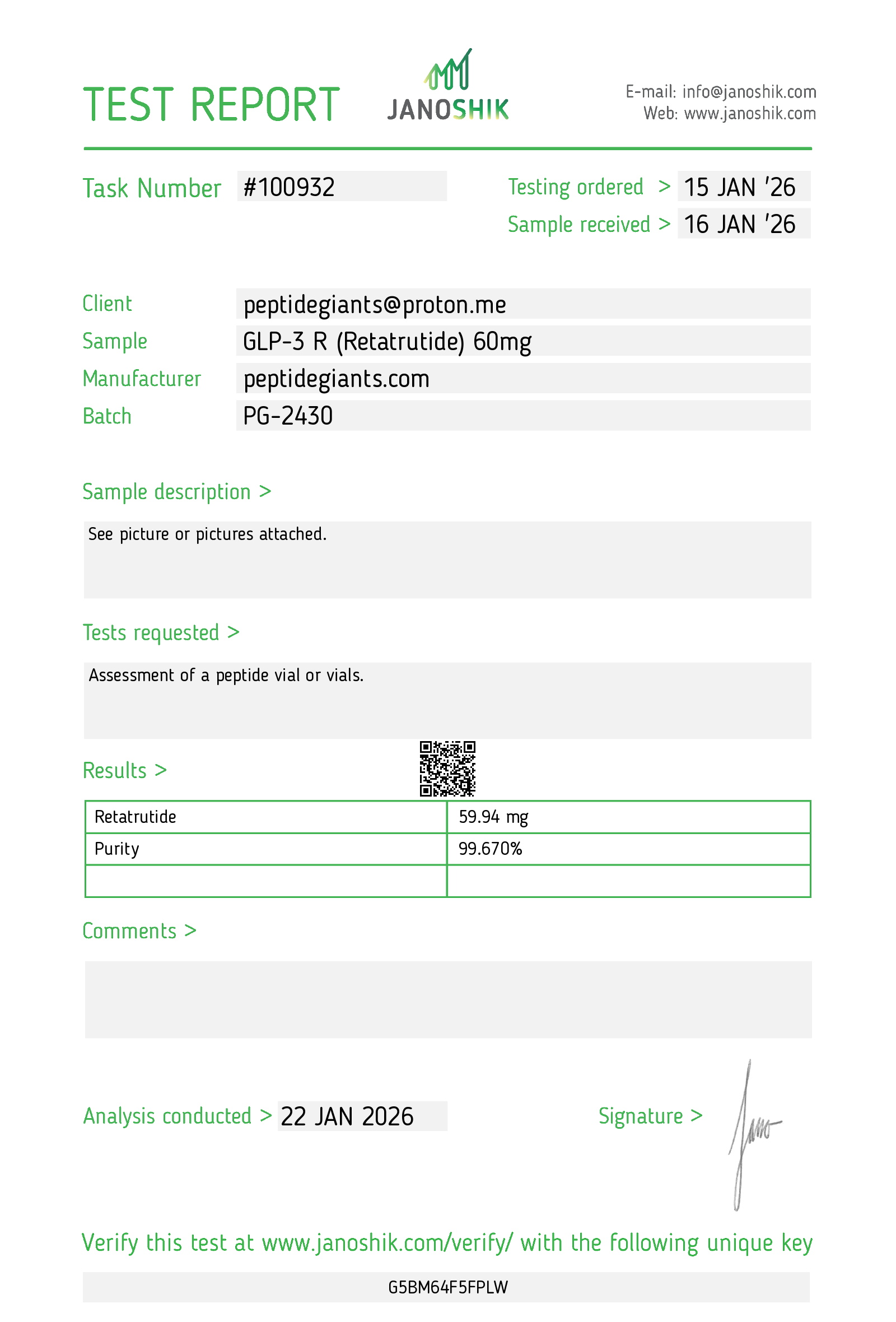
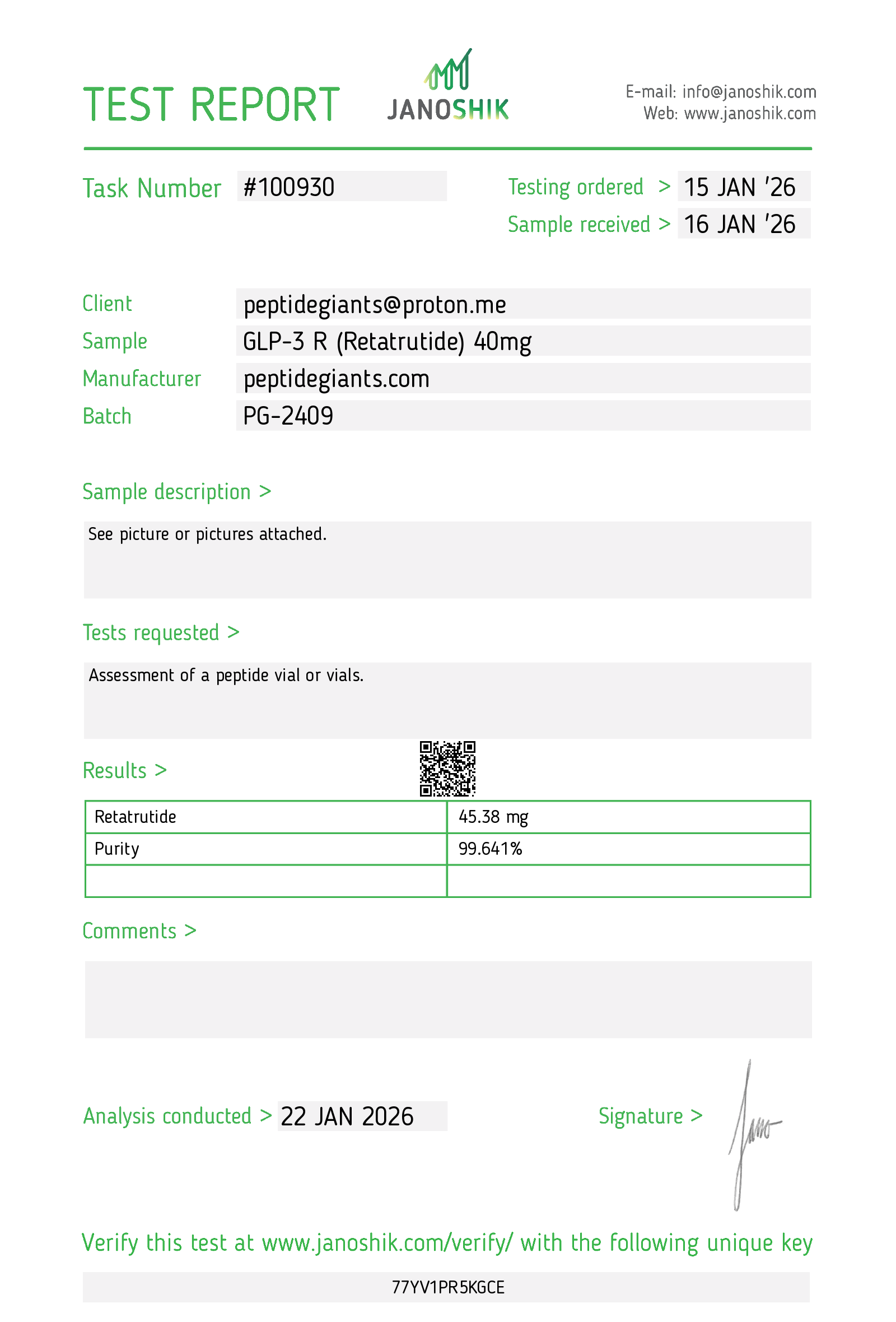
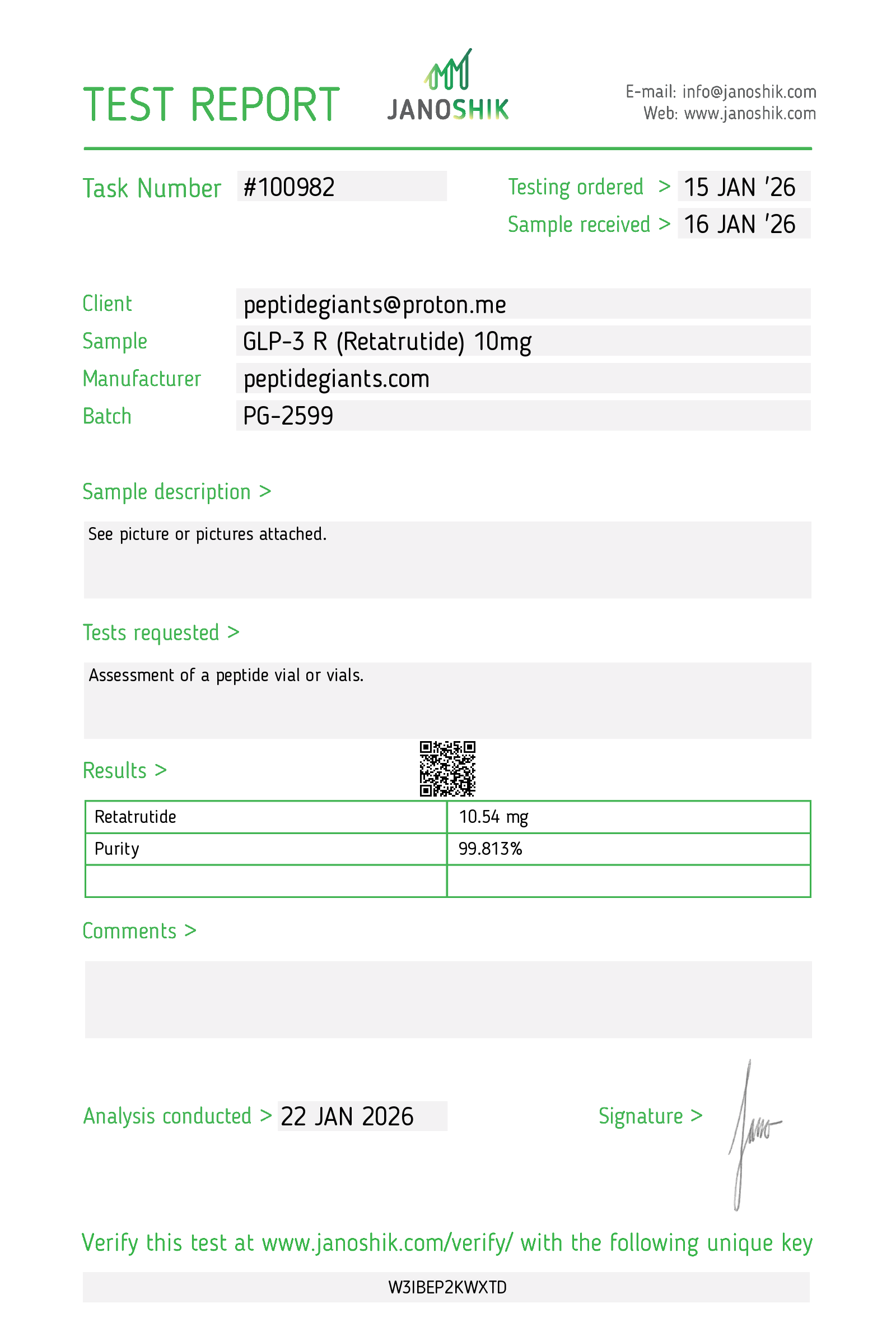
| COA |
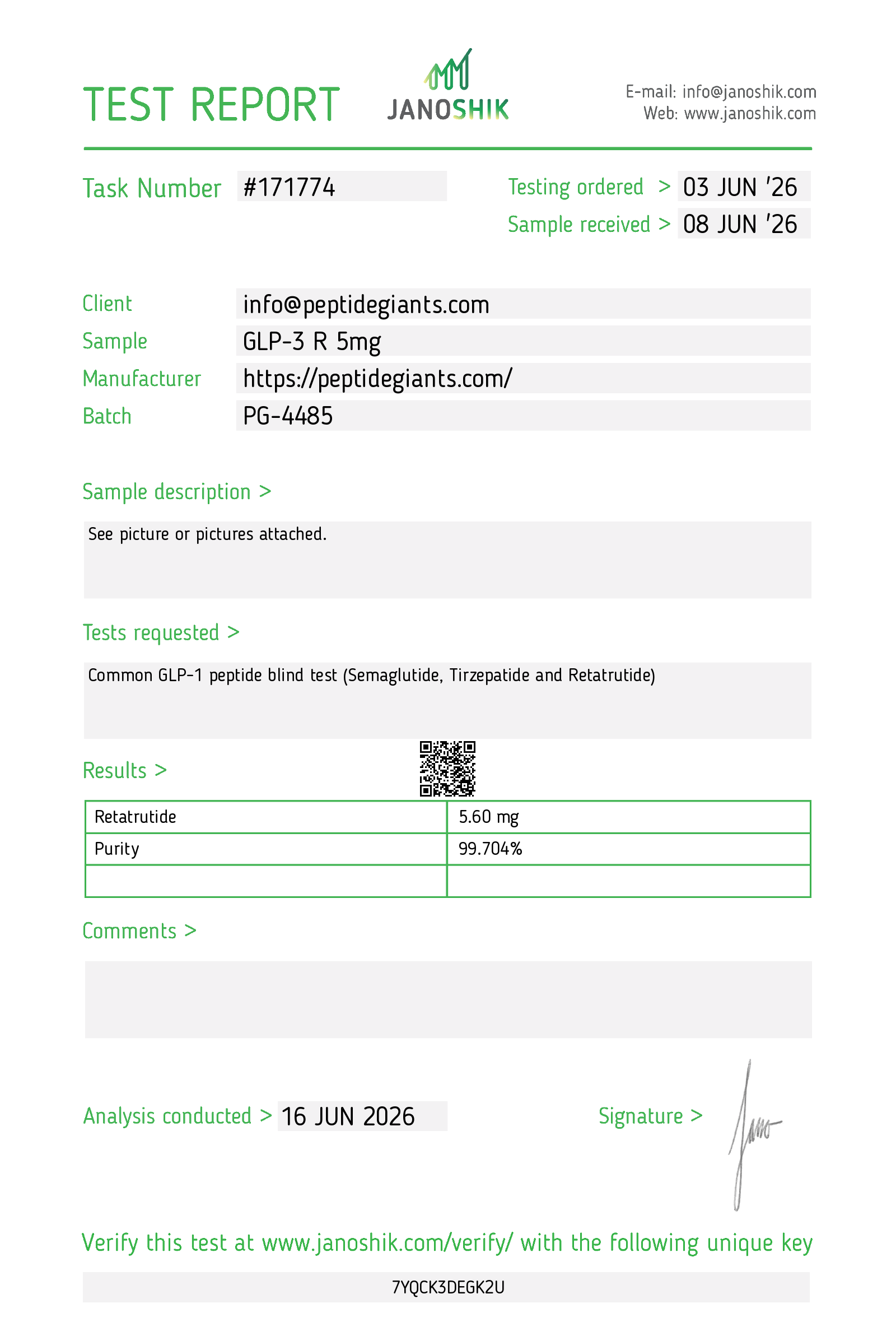
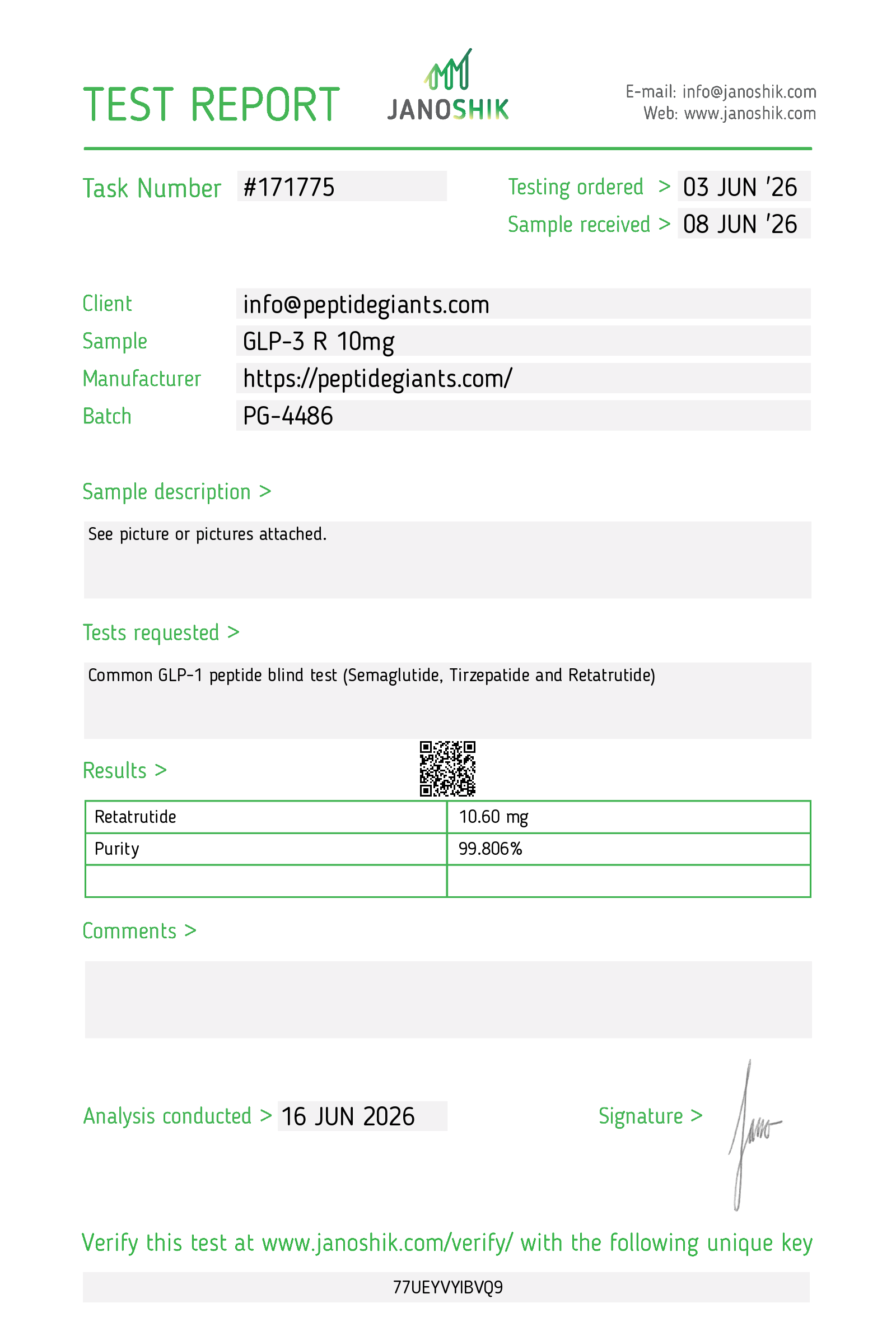
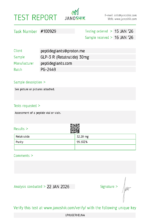
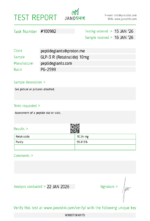
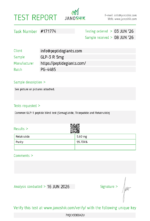
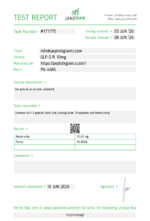
Available for tested batches |
Research Use Only
PG-3RT is supplied strictly for laboratory research purposes. It is not intended for human or veterinary use and is not offered as a drug, dietary supplement, or therapeutic product. The information provided on this page describes biochemical and pharmacological research and should not be interpreted as a recommendation for human use, diagnosis, treatment, cure, or disease prevention.